Chancellor John Healey’s first Budget leaves income tax thresholds frozen and halves a key relief for practice sales, while a new NHS productivity and AI review is told it must tackle recruitment delays
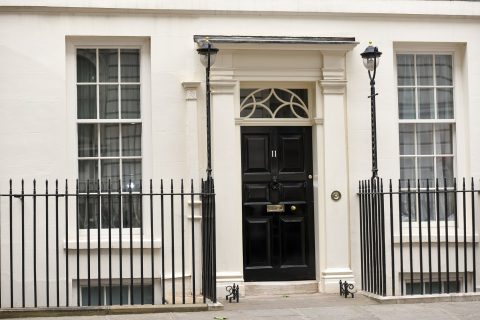 Dentists face a growing tax burden after the Chancellor kept income tax thresholds frozen and cut the lifetime limit on Business Asset Disposal Relief (BADR) from £1 million to £500,000.
The BADR change takes effect from 6 April 2027. The relief taxes qualifying gains, such as those made when selling a dental practice, at 18% rather than the 24% higher-rate Capital Gains Tax charge. Under the new limit, a practice owner making a £1 million qualifying gain would pay around £30,000 more in tax. Mr Healey said the change would mean no difference for three in four claimants.
Income tax thresholds remain frozen, continuing the ‘fiscal drag’ that pulls more earners into higher bands as pay rises. Tax on property and savings income will also rise by two percentage points from April 2027, to 24%, 44% and 49% across the basic, higher and additional rates.
For practice owners, the National Living Wage will rise by 3.9% to £13.20 an hour from April 2027, adding to staff costs for support roles.
Among the measures welcomed by advisers were a new Pension Tax Allowance, which stops those living only on the State Pension from paying income tax as it passes the personal allowance, and an end to the Carer’s Allowance ‘cliff edge’, with payments now tapered as earnings rise.
The Budget contained no measures specific to dentistry. However, Mr Healey announced an independent review into NHS productivity and the use of AI, aimed at cutting administrative workloads and giving staff more time with patients.
‘Another squeeze’
Iain Stevenson, head of dental at specialist financial services provider Wesleyan, said: “A new personal allowance to protect those on the State Pension and addressing the Carer’s Allowance cliff edge are welcome, but it’s disappointing that the Chancellor has missed the opportunity to address frozen income tax thresholds that are squeezing the finances of public sector professionals.
“Another freeze piles further pressure on dentists grappling with rising practice costs and a growing tax burden. As incomes rise with inflation, more dentists are being pulled into higher tax bands and towards the £100,000 threshold, where they face an effective 60% marginal income tax rate.
“For practice owners balancing increasing overheads with the demands of delivering patient care, this further erodes the financial incentives to run and grow a dental business.”
On the BADR change, he added: “The decision to reduce the Business Asset Disposal Relief limit from £1 million to £500,000 from April 2027 risks discouraging entrepreneurship and undermining the government’s ambition to encourage business growth.
“For dentists, it represents another squeeze on hardworking professionals who have been navigating a shifting tax landscape for years, and should prompt them to review their financial arrangements with a specialist adviser.
“For dentists who own their practices, reducing this relief could increase the Capital Gains Tax payable when selling their businesses, potentially reducing the financial rewards of years spent building and growing a practice. At a time when access to dental care remains a significant challenge, the government should be careful not to introduce further disincentives to investment in the sector.”
‘An offer letter doesn’t fill a shift’
With more than 100,000 NHS posts vacant in England, one recruitment expert has warned that the new AI review must also look at how staff are hired.
Charles Hipps, founder and CEO of recruitment technology company Oleeo, which works with NHS trusts, said some hospitals now receive hundreds of applications for single vacancies, many prepared using AI, yet still struggle to find suitably qualified candidates.
He is calling for the review to examine application screening, pre-employment checks and delays between job offers and start dates. University Hospitals Birmingham cut its average time to hire by 29%, from 24 to 17 days, after improving its recruitment workflow.
Mr Hipps said: “The Chancellor wants AI to free NHS staff from administration so they can spend more time with patients. I’d like the review to look at the amount of administration involved in getting those staff into hospitals in the first place.
“We’re hearing from NHS recruitment teams that individual vacancies can attract hundreds of applications, many prepared with the help of AI. But a hospital can have an enormous number of applicants and still struggle to find somebody with the right skills and experience. Meanwhile, other vacancies within the same trust can remain difficult to fill.
“AI has made it much easier to produce a convincing application. It hasn’t made it any easier for a recruiter to know whether the person behind it can actually do the job. They still need to examine the evidence, assess somebody’s abilities and make a decision they can stand behind.
“I wouldn’t want hospitals to start rejecting people simply because they’ve used AI. It can be genuinely helpful for candidates who find written applications difficult. But there needs to be more emphasis on assessing skills and experience, rather than relying on how well somebody can write a supporting statement.
“And the delays don’t end when a candidate receives an offer. NHS trusts have to complete identity checks, verify qualifications and professional registrations where required, obtain references and coordinate onboarding. Those safeguards are essential, but the administrative work around them can be lengthy, particularly when information has to pass between different teams.
“Every unnecessary delay leaves a position unfilled for longer. That can mean more pressure on existing staff, additional reliance on temporary cover or losing a suitable candidate who decides to accept another offer.
“I’d like the productivity review to examine how long recruitment takes at each stage, how many candidates withdraw before starting and whether trusts are making proper use of applicants they’ve already assessed when another suitable vacancy becomes available.
“There’s considerable potential for AI to improve those processes, particularly by helping recruitment teams identify relevant skills, match candidates to vacancies and reduce repetitive administration. But it needs to make decisions easier for recruiters to scrutinise, rather than creating another layer of complexity.
“When we’re assessing whether AI is improving NHS productivity, one of the measures should be how quickly qualified people can actually start work. An offer letter doesn’t fill a shift. Getting the right person into post does.”