

The correct dental team training, product maintenance, and regular monitoring can help to prevent most issues that might contribute to decontamination equipment failure. Approximately 91.8% of autoclave failures, for example, are caused by human error.[i] Often, this will lead to disruption, compromise compliance, and pose health risks – meaning that practice downtime is necessary for repairs. As such, ensuring the team that operates the equipment is confident with daily maintenance, in order to prevent issues occurring, is essential.
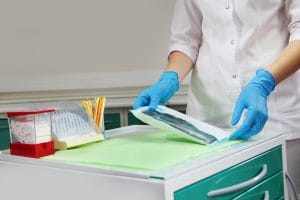
Common mistakes in daily workflows
Day-to-day, there are a number of factors that may contribute to failed decontamination. Often, these are aspects that members of the team may overlook, or not realise the significance of. For example, a common mistake is the overloading of the autoclave chamber, restricting the steam circulation – stacking the autoclave as recommended by the manufacturer allows the steam to penetrate effectively. Inadequate pre-cleaning of instruments can also render the sterilisation process ineffective. This means that thorough cleaning – ideally using a washer disinfector or ultrasonic cleaner – prior to sterilisation is needed, removing any blood, tissue, or debris. This ensures that steam can reach all the surfaces and completely remove microorganisms.i
Frequent maintenance and water quality
Regular maintenance of autoclaves can help to reduce the risk of equipment failure, with early detection of any issues helpful for minimising this too. Keeping on top of frequent maintenance tasks helps to ensure proper sterilisation is taking place. Water quality, for example, is a key factor that can affect the performance of an autoclave in the long-term – with the use of tap or filtered water, instead of distilled or RO water, leading to calcium or magnesium deposits building up inside the machine. When these deposits are on components such as the heating elements, sensors, or valves, they can result in reduced efficiency and slow cycle times. To address this, changing the water every day, and testing the water quality regularly will help to prevent and catch problems early.i
Other maintenance issues that might crop up include damage to the door gaskets, responsible for creating an airtight seal which is required to maintain effective sterilisation. Over time, the seals can wear out, meaning they can no longer hold the necessary pressure and need replacing (usually every 1-2 years). Additionally, steam and waste pathways should be kept clear to maintain optimal autoclave performance. Blockages in areas like the chamber filters and drain strainers can disrupt steam penetration and prevent proper drainage. Routinely checking each of these areas will help to prevent potential issues occurring and keep equipment working as it should.i
Testing and monitoring for long term success
Once measures have been put in place to prevent and maintain equipment, it’s important to consistently monitor and test to ensure any issues or failures are detected as early as possible. This should be carried out through a few key methods: mechanical monitoring (essential before every cycle to ensure correct temperature and pressure can be achieved),i helix tests for the daily steam penetration test of type ‘B’ vacuum autoclaves, and TST indicator to check conditions for sterility have been met for type ‘N’ non-vacuum autoclave cycles. Completing these checks frequently, as recommended by the manufacturer, ensures the requirements for HTM 01-05[ii]/SHTM 01-05 are met.
Support and CPD to maintain high standards
In order to get the very best out of decontamination equipment, it’s important to have professional service and support on hand when you need it. This not only means fast help when equipment breaks down, but also annual compliance checks and training for the dental team.
Eschmann, as part of its Care & Cover plans, offers enhanced CPD user training for its customers. All Eschmann engineers are able to provide this training to dental practice staff – exclusively for those with Care & Cover contracts – at no extra cost. This helps those who use Eschmann decontamination equipment every day understand how to use it correctly, perform regular maintenance, and recognise when something isn’t quite right. Care & Cover customers also benefit from Annual Validation & Pressure Vessel Certification, Annual Service & Software Upgrades, Unlimited Breakdown Cover, Unlimited Parts & Labour, Nationwide On-site Support, and Technical Telephone Support.
When the dental team is confident in their ability to carry out effective daily workflows and maintenance, practices can maximise the longevity of their decontamination equipment. In turn, this results in reduced practice downtime, and leads to fewer issues occurring in the long-term.

For more information on the highly effective range of infection control products from Eschmann, including the industry-leading autoclave range, please visit www.eschmann.co.uk or call 01903 753322
Author: Nicky Varney – Head of Marketing

[i] Complete Smiles. Causes of autoclave failures in dental clinics. Accessed May 26. https://www.completesmilesbv.com.au/causes-autoclave-failures-dental-clinics
[ii] Department of Health. Decontamination Health Technical Memorandum 01-05: Decontamination in primary care dental practices. Accessed May 26. https://www.england.nhs.uk/wp-content/uploads/2021/05/HTM_01-05_2013.pdf