


Artificial intelligence (AI) is becoming increasingly integrated into every aspect of modern life. It plays a major role in the TV programmes we watch, the music we listen to, the way we search for information, how we navigate to new locations, how we power our homes, and so much more. In dentistry, AI is just as prominent. Today’s digital technologies utilise AI to optimise the accuracy of clinical assessments and diagnostics, to improve predictability of treatment outcomes, and enhance the patient experience. The software is designed to elevate efficiency, to streamline workflows with automation that saves the team time and reduces the margin for error.
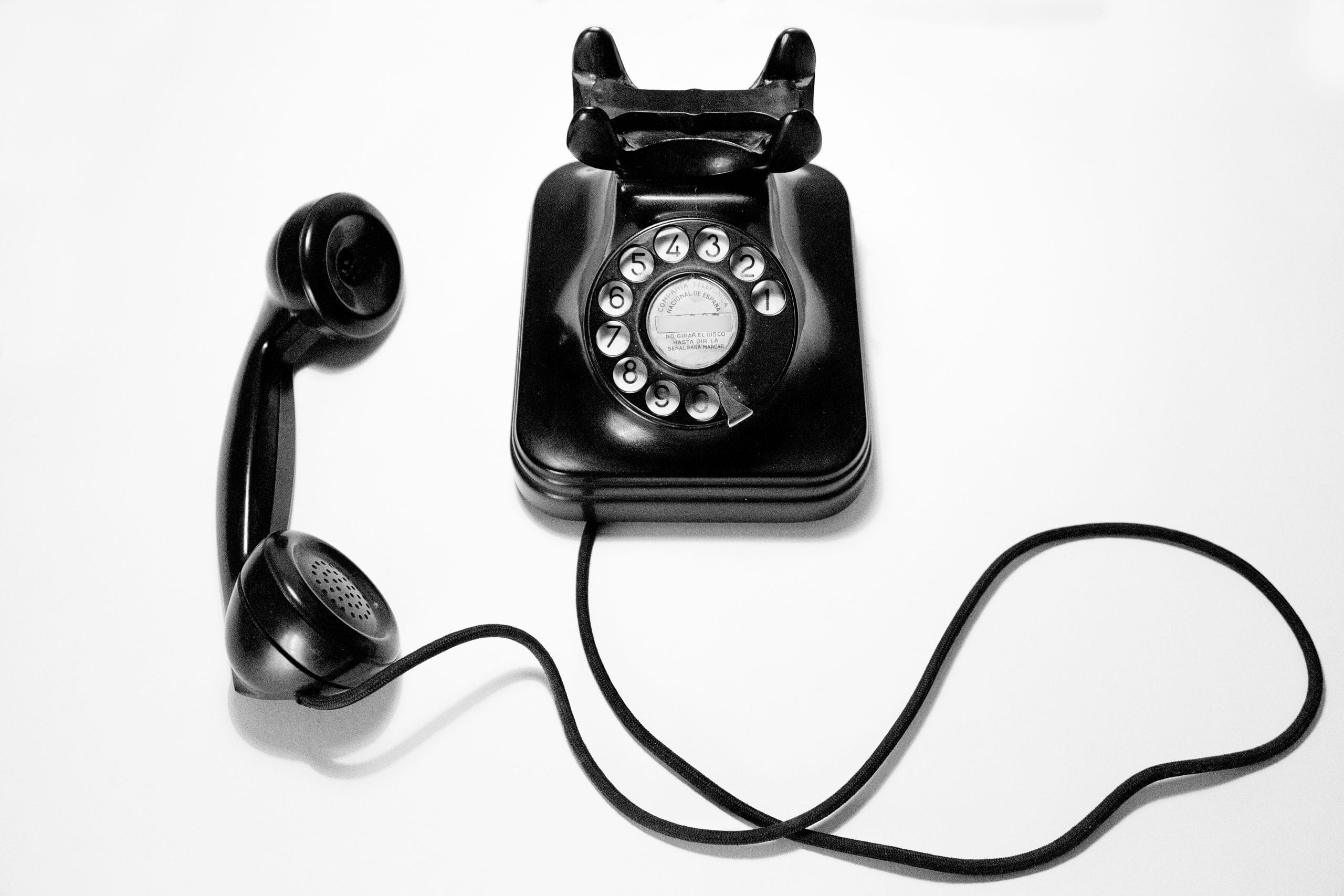
As the technology evolves, a new type of AI has become available to dental practices – that of the AI receptionist. Associated solutions have been met with mixed responses, but it’s important to understand how they work and what they mean for the team, for patients, and for the business.
Growing adoption
It is estimated that 34% of businesses in the UK are using AI-powered software to answer their phones.[i] Adoption among dental practices specifically is unclear, but there has been a growing appetite in companies providing solutions to work in the profession.
There are also various statistics shared online about the acceptance of AI receptionists among the general population and the benefits of such solutions. Most are generated and promoted by software developers and suppliers, so there is no independent research available yet to steer principals’ decision-making in the field.
Advantages of your new team member
There are several potential advantages to implementing an AI-assisted solution to manage incoming calls and enquiries. The first is that it removes some of the administrative burden and frees the front of house staff to focus on patients physically on the premises. They needn’t worry about incoming calls interrupting conversations or pulling their attention away at any given moment, allowing them to concentrate better on the task at hand. The AI solution will also be consistent in its information exchange and responses, effortlessly maintaining the practice brand without requiring dedicated training beyond the initial set up.
This service is also extended beyond normal opening hours, as an AI receptionist can answer enquiries at any time of night or day. A new level of convenience is unlocked for patients, which could potentially increase the ease with which appointments can be booked for a fuller diary.
Cost is another positive for many practices – AI-powered solutions are often cheaper than employing another member of staff to manage the phones. In this way, the practice avoids having to pay another salary, more National Insurance Contributions, more tax, and other staff-related expenses. This has a positive impact on practice profitability, which can boost business value and EBITDA (Earnings Before Interest, Tax, Depreciation, and Amortisation) if you are going to market in the coming years. The increased efficiency, potential growth in patient satisfaction, and new patient numbers could also help boost revenue in the long term.
AI is also better at following guidelines if you want to do things like zone your appointment book for specific times for new patients whereas ‘humans’ have a habit of forgetting systems.
Potential drawbacks
However, as is often the case, there are also possible downsides to employing this technology in the dental practice. For example, the consistency of messaging is restrictive and may render the software unable to deal with complex requests. Whilst technology is improving all the time, its lack of empathy means it can’t respond appropriately to emotional conversations, which could cause frustration or even anger among patients who are calling up in pain or with serious concerns. In fact, the prescribed nature of an AI receptionist could be an immediate barrier to new patients who would value the ‘personality’ of a receptionist who develops a more bespoke conversation and shows a genuine interest in them. The opposite is also a concern – if the caller believes the AI is a real person, they may not understand when they receive a strange or clearly scripted answer to their question.
All of this could have a negative impact on the business. It could deter new patients from choosing your practice and booking an appointment because the personal touch is lost. Satisfaction of existing patients could also be reduced, which would affect income and, therefore, potentially lower the value of the practice.
A measured approach
If you’re thinking about a sale in the next few years and are considering an AI receptionist, a balanced approach can ensure that the transition builds value into your business and doesn’t remove it. A hybrid approach could be beneficial, giving patients the option to book with the virtual assistant or to be put through to a real person – if during opening hours. Finding a good software solution that doesn’t sound robotic could also help to make patients more comfortable. Once implemented, be sure to monitor its use and patient satisfaction to ensure that changes are made before any negative consequences develop for the practice.
For expert support on optimising your business and maximising its value before going to market, Dental Elite offers a free Practice Health Check to audit your current finances, processes, and people and provide bespoke advice for genuine growth.

For more information on Dental Elite visit www.dentalelite.co.uk, email info@dentalelite.co.uk or call 01788 545 900
Author: Luke Moore

[i] The state of AI adoption in UK businesses. Moneypenny. February 2026. https://www.moneypenny.com/uk/resources/blog/the-state-of-ai-adoption-in-uk-businesses/. [Accessed April 2026]