The UK non-surgical cosmetics industry is now valued at over £3 billion, and it continues to grow.[i] For dental practitioners considering how to broaden their clinical offering, facial aesthetics represents one of the most logical and accessible entry points – and for good reason. Dentists bring a lot of anatomical knowledge as well as injection know-how that other practitioners struggle to match. GDC registration, CQC-registered premises, and existing prescribing rights for botulinum toxin place the dental profession in a strong position as this market matures further.
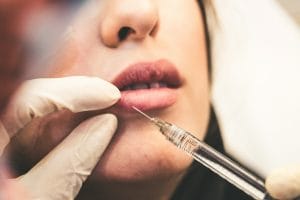
But expanding into facial aesthetics is not simply a matter of completing a training course and ordering stock. Getting it right – from the clinical and regulatory foundations all the way through to how products are stored and sourced – requires the same rigour applied to any other aspect of the practice. Those who don’t necessarily approach it that way may find themselves at the mercy of a tightening regulatory landscape.
Shifting regulations
In August 2025, the UK government published its response to the consultation on licensing non-surgical cosmetic procedures, setting out a framework that categorises treatments by risk.[ii] Botulinum toxin and dermal fillers fall into the amber tier, which means they are considered medium risk procedures that will require practitioners to hold a premises licence and meet standards on training and infection control among other things. When it comes to qualified dental professionals, this is not a barrier, unlike for other potential providers. The unregulated market of inadequately trained practitioners undercutting professionals will soon draw to a close. In July 2025, for example, 38 cases of botulism poisoning in England were linked to the suspected use of unlicensed product in cosmetic procedures.[iii]
This change looks to reward practices that already operate under optimal standards as well as to penalise those that do not. Getting ahead of this now would be advantageous when it comes to adhering to compliance in the long run.
Botulinum toxin: what are we working with?
Botulinum toxin, the appropriately dramatically named foundation of procedures like Botox, is a prescription-only substance in the UK, and the high standards in its handling are non-negotiable.
As a temperature-sensitive biologic, its efficacy is directly dependent on an unbroken cold chain from manufacturer through to clinical use. The Cosmetic Practice Standards Authority (CPSA) requires that botulinum toxin be stored in a lockable, purpose-built medicines refrigerator at a stable temperature of 2–8°C, with temperature monitoring and recording carried out at least once a day.[iv] A domestic refrigerator does not meet this standard. Temperature excursions can compromise its potency, and this can increase the risk to patients.
Once reconstituted, botulinum toxin should typically be used within 24 hours. Batch numbers, lot references, and expiry dates must be tracked for every vial under the licensing scheme.ii Practices should have a written procedure for managing any lapses in ideal temperature, including the separation and quarantining of any potentially affected stock.
Dermal fillers – the same standards?
Dermal fillers without a lidocaine component are not prescription-only medicines in the UK. They are classified as medical devices and can be supplied without a prescription. However, where lidocaine is present (as in many commonly used formulations), the product becomes a prescription-only medication. Regardless of prescription status, dermal fillers intended for medical use should carry a UKCA or CE mark confirming they meet the required regulatory standards.[v] Products sourced outside verified supply chains carry a safety risk for patients that will not be covered by indemnity.
Choosing your stockist with care

Stock management in facial aesthetics is inseparable from the question of where stock comes from. Every supplier of prescription-only medicines must be either an MHRA-licensed wholesaler or a GPhC-registered pharmacy operating under the Good Distribution Practice (GDP).[vi] Temperature-controlled delivery is essential for maintaining integrity of the product. A supplier that cannot provide this is not one a compliant practice can safely work with.
Dental Directory is currently the only UK supplier operating across both the dental and medical aesthetics markets.[vii] MHRA regulated and accredited, Dental Directory operates an in-house pharmacy with temperature-controlled supply chain management. For practices looking to move into the facial aesthetics space, or those reviewing the standards of their existing provision, Dental Directory offers a range of toxins, fillers, and medical-grade skincare alongside the supply chain to support compliant and confident practice.
The opportunity in facial aesthetics is compelling, and it’s no wonder dental practices seem willing to take it on board. However, they must be willing to approach it with the same standards they bring to everything else in their professional life; if so, the foundation is already in place. The products, the training, and existing regulatory compliance habits all support this particular branching out. With careful consideration, preparation, and intelligent stockist relationships, moving into the facial aesthetics space could represent a smart and profitable move for dental professionals.

For more information on the products and maintenance services available from Dental Directory, please visit ddgroup.com or call 0800 585 586
Author: Dean Hallows, Managing Director of Dental Directory

[i] Consultation launched into unregulated cosmetic procedures. GOV.UK. Published September 2, 2023. https://www.gov.uk/government/news/consultation-launched-into-unregulated-cosmetic-procedures
[ii] Health. Crackdown on unsafe cosmetic procedures to protect the public. GOV.UK. Published August 5, 2025. https://www.gov.uk/government/news/crackdown-on-unsafe-cosmetic-procedures-to-protect-the-public
[iii] Smitha Mundasad. Fake Botox suspected in dozens of poisoning cases. BBC News. https://www.bbc.co.uk/news/articles/c628e5ez78yo. Published July 18, 2025.
[iv] ARE YOU STORING YOUR TOXINS CORRECTLY? Aestheticmed.co.uk. Published 2023. https://mag.aestheticmed.co.uk/articles/254912?article=46-1
[v] M. Wholesalers’ and manufacturers’ guidance following agreement of the Windsor Framework. GOV.UK. Published September 12, 2024. https://www.gov.uk/government/publications/wholesalers-manufacturers-guidance-following-agreement-of-the-windsor-framework/wholesalers-manufacturers-guidance-following-agreement-of-the-windsor-framework
[vi] GOV.UK. Patient group directions: who can use them. GOV.UK. Published October 20, 2016. https://www.gov.uk/government/publications/patient-group-directions-pgds/patient-group-directions-who-can-use-them
[vii] About Us – Dental Directory. Ddgroup.com. Published 2026. Accessed April 15, 2026. https://www.ddgroup.com/about-us/