


Martin Westover, Director at Signatrol, the temperature data logging experts takes a closer look at the importance of correct autoclave temperature validation in dental surgeries.
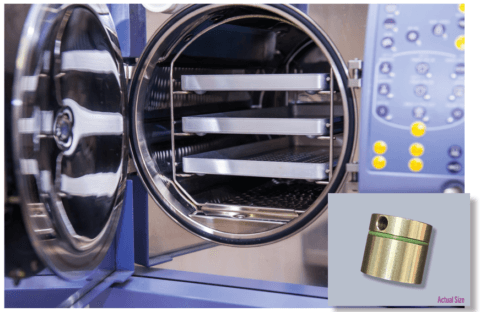 Infection prevention and control is at the heart of every dental practice, and effective sterilisation plays a critical role in keeping both patients and staff safe. One of the most important — yet sometimes overlooked — aspects of this process is ensuring that your autoclave consistently reaches the correct temperature.
Most dental autoclaves are designed to operate within a temperature range of 121–134°C, depending on the cycle type. This range is essential for the destruction of bacteria, viruses, spores, and other potentially harmful contaminants. If the required temperature is not achieved, true sterilisation simply does not occur — even if the pressure and cycle duration appear to be within normal limits.
The Risks of Inadequate Sterilisation
Failure to reach the correct sterilisation temperature carries significant risks. From a clinical perspective, instruments that have not been properly sterilised may still harbour dangerous pathogens, including heat-resistant organisms such as Geobacillus stearothermophilus as well as infections such as Hepatitis B and C, HIV, mycobacteria (including tuberculosis), fungal spores, and bacterial spores.
Regulatory and Professional Implications
Beyond the clinical risks, failure to achieve proper sterilisation is a breach of UK HTM 01-05 guidelines and Care Quality Commission (CQC) regulations. This can have serious consequences for a dental practice, including damage to professional reputation, regulatory action, and potential legal claims.
It is therefore important for dental nurses and oral hygienists, who are often responsible for the instrument sterilisation processes, to monitor autoclave performance is a key part of maintaining compliance and ensuring patient safety.
Why Autoclaves Fail to Reach Temperature
An autoclave may not achieve the required temperature due overloading the chamber and so preventing proper steam penetration, incorrect packaging of instruments, or insufficient water levels or poor water quality. Often lack of routine maintenance or calibration can mean malfunctioning temperature or pressure sensors.
What to do If you suspect a temperature fail
If you suspect than an autoclave has not reached the correct temperature, quarantine all instruments from the affected cycle and do not use them until they have been correctly re-sterilised. Perform a validation test, such as a Helix or Bowie-Dick test, depending on the cycle. Review and document all cycle logs and indicators. And if the issues persist, arrange servicing or repairs to the autoclave.
Signatrol’s Solution to Mitigate the Risk
Most usual temperature data loggers cannot survive the harsh environment of an autoclave. Signatrol has developed a small stainless steel protective enclosure to house its dLOG SL63T miniature data loggers. These small, inexpensive protective enclosures called SL60-ACC03 are an easy, cost effective, but essential solution, for dental surgeries and other medical professionals to ensure confidence in the accuracy of autoclave temperature monitoring and subsequent validation.
For more information www.signatrol.com