

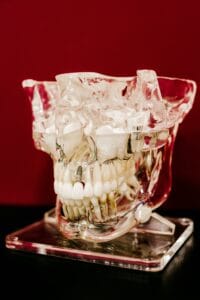
 Dental implantology has become fundamental in modern dentistry, with implant prevalence among the population predicted to increase to 23% by 2026.[i] The treatment modality is capable of restoring function and aesthetics in both partial and entirely edentulous arches, offering a reliable option for single or multiple missing teeth.[ii] Due to the growth and importance of dental implants, overcoming associated complications is important.
Implant-related complications are not necessarily rising in frequency, but becoming more visible due to the increase in implant procedures taking place. Furthermore, a greater variety in patients – including those who are older, with more complex medical histories, with higher aesthetic expectations, and more – raise the biological and technical demands associated with implant dentistry. Upgraded diagnostic tools and enhanced understanding of peri-implant disease have made navigating these requirements more feasible – with the right education and ongoing professional development required for consistently successful outcomes.
Potential surgical complications
Surgical complications associated with dental implant treatment can often involve inadequate treatment planning, execution, or case selection. Different clinical complications can have a severe effect on treatment outcomes, making clinician confidence and competence vital. Firstly, inaccurate implant positioning – including angulation, depth, and placement – can affect primary stability, as well as both long-term aesthetics and maintenance capacity.[iii]
Moreover, nerve injury is one of the most significant surgical complications that clinicians must be aware of during implant placement – particularly involving the inferior alveolar and mental nerves in the mandible.[iv] Damage to these nerves can happen at any stage of the treatment and can cause temporary or permanent neurosensory disturbances – such as numbness, tingling, or pain, in the lip, chin, or tongue.[v] If an instrument or the implant contacts the nerve directly, the procedure must be ceased immediately, appropriate radiographic assessment undertaken, and the nerve to be litigated as soon as possible.[vi]
In the maxilla, the risks surrounding implant placement are even greater with specific regard to non-neural anatomical structures such as the maxillary sinus and nasal floor.xii Another potential hazard is the perforation of the lingual cortex of the mandible, which can potentially result in life-threatening haemorrhage due to injury to the sublingual artery.xii
Finally, clinicians must decide prior to treatment if sufficient bone exists for implant placement and whether advanced augmentation procedures are required to increase bone volume. The inadequate assessment of bone volume and quality can lead to implant failure, making certain pre-surgery steps integral in reducing the associated risks.
Potential biological complications
Treatment failure can often arise as a result of biological complications. The implant is considered a “foreign body” which can cause the host tissue to respond unfavourably – this can occur in both the healing phase or years after.[vii] A lack of osseointegration leads to early implant failure,[viii] which can be caused by surgical trauma, patient-related factors like smoking or systemic disease, insufficient primary stability, or post-surgery infection.[ix] Late biological factors frequently present as peri-implantitis, with continuous inflammation of the peri-implant tissues and accompanying bone loss posing a risk to implant longevity.[x]
Various influences can impact and alter the outcome of the procedure, including a patient’s oral hygiene routine, the quality of treatment and ongoing care, and patient susceptibility. For example, a patient with a history of periodontal disease is inevitably more vulnerable to peri-implant disease.[xi]
Following protocols for success
Both surgical and biological complications can have a critical effect on implant longevity, aesthetics, and the overall success of treatment, meaning clinicians should follow specific protocols, which require:
- Collecting a comprehensive dental and medical history of the patient[xii]
- Appropriate radiographic assessment, with CBCT if necessary[xiii]
- Prosthetically designed treatment planning with clinical examination[xiv]
- Meticulous surgical technique with focus on achieving primary stability[xv]
- Long-term monitoring, ensuring the early detection of potential peri-implant disease[xvi]
Education and ongoing development
Clinicians seeking to elevate their knowledge of implant-related risks, with associated preparatory and management strategies, must undergo sufficient training and mentorship.
All practitioners, regardless of experience to date, can gain valuable insight from Ucer Education, led by Specialist Oral Surgeon Professor Cemal Ucer. The courses offer meticulous processes on everything from application of theory to clinical practice, where trainees are supported in the development of both competence and skills in the next-level ICE Hospital with state-of-the-art teaching facilities and digital equipment. With 25 years of implantology-teaching experience – plus mentoring and reflective practice offered – participating clinicians are guaranteed enhanced patient care and experience, better treatment outcomes, and greater clinical safety in their implant workflows.
Working towards less complications
With biological and surgical complications an inherent and ongoing risk within implant dentistry, possessing the knowledge to prevent and manage them effectively is integral for success. Clinical triumph relies on a balance between thorough planning, precise clinical execution, ongoing maintenance, and in-depth patient understanding. By recognising potential biological or surgical complications early, the appropriate interventions and plan alterations can be made to minimise the risk of failure.
Furthermore, the trends within these complications can be used as an opportunity to improve clinical standards. The best way to learn is through professional guidance, with mentorship and evidence-based training supporting clinicians in improving outcomes and overcoming challenges.
 Author: Professor Cemal Ucer (BDS, MSc, PhD, Oral Surgeon, ITI Fellow

Please contact Professor Ucer at ucer@icedental.institute or Mel Hay at mel@mdic.co
01612 371842
[i] Elani HW, Starr JR, Da Silva JD, Gallucci GO. Trends in Dental Implant Use in the U.S., 1999-2016, and Projections to 2026. J Dent Res. 2018 Dec;97(13):1424-1430. doi: 10.1177/0022034518792567. Epub 2018 Aug 3. PMID: 30075090; PMCID: PMC6854267.
[ii] Fernandes G, Aras M, Chitre V, Coutinho I, Mascarenhas K. Rehabilitation of Edentulous Arch Using All-on-Four Treatment Protocol: A Case Report. Cureus. 2024 Apr 24;16(4):e58919. doi: 10.7759/cureus.58919. PMID: 38800271; PMCID: PMC11121617.
[iii] Javiya P, Sawhney A, Gandhi R, Mansuri AH, Patel S, Mohanty R, Patadiya HH. The Influence of Implant Placement Angulation on Biomechanical Stability In Vitro Study. J Pharm Bioallied Sci. 2025 Jun;17(Suppl 2):S1226-S1228. doi: 10.4103/jpbs.jpbs_1692_24. Epub 2025 Jun 18. PMID: 40655727; PMCID: PMC12244823.
[iv] Réus JC, Pauletto P, Veronez FC, Souza BDM, Schuldt Filho G, Stefani CM, Flores-Mir C, De Luca Canto G. Prevalence and management of neuropathic injury caused by dental implant insertion in mandible: a systematic review. J Oral Facial Pain Headache. 2024 Jun;38(2):25-47. doi: 10.22514/jofph.2024.012. Epub 2024 Jun 12. PMID: 39801094; PMCID: PMC11810661.
[v] Padmanabhan H, Kumar AV, Shivashankar K. Incidence of neurosensory disturbance in mandibular implant surgery – A meta-analysis. J Indian Prosthodont Soc. 2020 Jan-Mar;20(1):17-26. doi: 10.4103/jips.jips_373_19. Epub 2020 Jan 27. PMID: 32089595; PMCID: PMC7008625.
[vi] Kale, Preeti Prakash; Mani, Ameet; Anarthe, Raju; Pendyala, Gowri; Thakkur, Pranay1; Sekharamantri, Anuraga Vidyasagar2. Management of Surgical Complication during Dental Implant Placement. Journal of Head & Neck Physicians and Surgeons 9(1):p 13-19, Jan–Jun 2021. | DOI: 10.4103/jhnps.jhnps_65_20
[vii] Albrektsson T, Dahlin C, Jemt T, Sennerby L, Turri A, Wennerberg A. Is marginal bone loss around oral implants the result of a provoked foreign body reaction? Clin Implant Dent Relat Res. 2014 Apr;16(2):155-65. doi: 10.1111/cid.12142. Epub 2013 Sep 4. PMID: 24004092.
[viii] Kang DY, Kim M, Lee SJ, Cho IW, Shin HS, Caballé-Serrano J, Park JC. Early implant failure: a retrospective analysis of contributing factors. J Periodontal Implant Sci. 2019 Sep 16;49(5):287-298. doi: 10.5051/jpis.2019.49.5.287. PMID: 31681486; PMCID: PMC6819696.
[ix] Kochar SP, Reche A, Paul P. The Etiology and Management of Dental Implant Failure: A Review. Cureus. 2022 Oct 19;14(10):e30455. doi: 10.7759/cureus.30455. PMID: 36415394; PMCID: PMC9674049.
[x] Schwarz F, Derks J, Monje A, Wang HL. Peri-implantitis. J Clin Periodontol. 2018 Jun;45 Suppl 20:S246-S266. doi: 10.1111/jcpe.12954. PMID: 29926484.
[xi] Arunyanak SP, Sophon N, Tangsathian T, Supanimitkul K, Suwanwichit T, Kungsadalpipob K. The effect of factors related to periodontal status toward peri-implantitis. Clin Oral Implants Res. 2019 Aug;30(8):791-799. doi: 10.1111/clr.13461. Epub 2019 Jun 12. PMID: 31107993.
[xii] Association of Dental Implantology. A Dentist’s Guide to Implantology. [Internet]. London: Association of Dental Implantology; [cited 2025 Dec 16]. Available from: https://www.adi.org.uk/_userfiles/pages/files/a-dentists-guide-to-implantology.pdf
[xiii] Hussaini S, Glogauer M, Sheikh Z, Al-Waeli H. CBCT in Dental Implantology: A Key Tool for Preventing Peri-Implantitis and Enhancing Patient Outcomes. Dent J (Basel). 2024 Jun 26;12(7):196. doi: 10.3390/dj12070196. PMID: 39056983; PMCID: PMC11276053.
[xiv] Nulty A. A literature review on prosthetically designed guided implant placement and the factors influencing dental implant success. Br Dent J. 2024 Feb;236(3):169-180. doi: 10.1038/s41415-024-7050-3. Epub 2024 Feb 9. PMID: 38332076; PMCID: PMC10853061.
[xv] Cobo-Vázquez C, Reininger D, Molinero-Mourelle P, González-Serrano J, Guisado-Moya B, López-Quiles J. Effect of the lack of primary stability in the survival of dental implants. J Clin Exp Dent. 2018 Jan 1;10(1):e14-e19. doi: 10.4317/jced.54441. PMID: 29670710; PMCID: PMC5899809.
[xvi] Bryce, G., McColl, E. Implant dentistry tips for primary care. Br Dent J 232, 362–363 (2022). https://doi.org/10.1038/s41415-022-4114-0