

The technological evolution of dentistry has been fast-paced, bringing a renewed energy to clinicians seeking to deliver exceptional patient care. For dentists who aspire to remain at the forefront of the profession, implementation of the latest solutions is key.
For Dr Amit Mohindra – a renowned clinician and principal of The White Bridge Clinic in Oxford – the journey towards technological excellence led him back to 3D printing three years ago. He reflects on his initial motivations to make the investment:
“I originally purchased a 3D printer in 2015 to make implant guided stents, but felt the technology was not quite ready at that time. I returned to the idea around 2022, when the equipment seemed to have been developed substantially.
 “At that time, we were using exocad and milling restorations in-practice already, so it was a logical step to add a 3D printer. Our existing design software allowed us to 3D print smile mock-ups and temporary restorations with greater speed than other manufacturing options. We also started using the technology for temporary implant crowns with a full abutment and crown printed in one piece, nightguards and smile design cases. Performing the restorative steps chairside afforded a higher level of control over the entire production workflow.
“The desire to advance our capabilities was in keeping with the practice’s progressive ethos and was an example of the many ways we sought to enhance the patient experience.”
Though passionate about advancing servicing, Dr Mohindra had some valid reservations that needed addressing before he could make the most of the investment in 3D printing. He says:
“My main concern was whether the restorations produced would be good enough. At the time, I didn’t know anyone else 3D printing in-house and I was aware of some translucency limitations with resins in the UK. There wasn’t a huge amount of local data or training courses at that time, though I did attend an event in Spain and social media offered some insight into clinicians’ experiences abroad. This is often the situation for early adopters of technology, but I was confident from what I had learned that it was worth a try.”
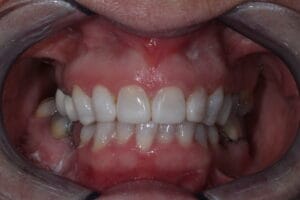
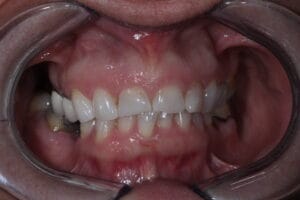
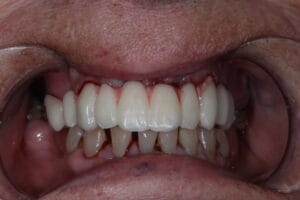
Since then, Dr Mohindra hasn’t looked back, developing his 3D printing workflow to make use of its expansive applications. He now offers Maryland and conventional same day bridges of 8-10 units to deliver even faster and higher-quality restorative transformations for patients. He comments on how this has impacted his patient care:
“We began using the 3D printer on a regular basis very quickly after purchase, which allowed us to deliver another level of patient care. The chairside temporary restorations fabricated are durable and aesthetic – they have been longer-lasting than we anticipated, giving confidence in their functionality as medium-term restorations. This gives patients an opportunity to save money for the finals without the pressure of a 3- or even 6-month deadline.
“The 3D printer has been particularly beneficial for wear cases, temporary implant crowns, smile design, immediate bridges and even patients who find it difficult to lay back flat who need direct restorations. With less time spent in the chair and fewer instruments in the mouth, the workflow is also ideal for elderly patients.
“Ultimately, 3D printing delivers increased speed of workflow and improved financial implications for patients, while also allowing for quick and painless redesigns or remakes if required. Patients also love seeing the investment we have made in their care, which adds to the trust they have in us and enhances our brand as a leading dental provider.”
And it’s not just patients who appreciate the cutting-edge technology, as Dr Mohindra adds:
“The team also recognises the investment in patient care and are proactive in helping us continually find new ways to improve the professional workflow. There is a learning curve with 3D printing, which will be experienced differently between professionals, but the more involved our team have got, the more benefits they have accessed.”
As part of the practice’s continuous drive for ever-greater solutions and workflows, Dr Mohindra is looking forward to using the latest resins on the market and exploring their applications as a way of expanding further on the services he provides. Who does he trust to work with in this endeavour? SprintRay.
“3D printing technology in dentistry is still relatively new, so I was certain from the start that I wanted to use a solution developed specifically for clinical dentistry. SprintRay had already calibrated their system for restorative dentistry, making it the ideal choice. The support has been very good throughout my 3D printing journey, and it’s very reassuring to know that I can contact someone with questions at any time. I am looking forward to implementing the new Midas 3D printer and innovative resins, which will allow me to give patients far superior restorations in less time. You can really see the quality of the new materials, which will help to continue elevating standards in the practice.”
Dr Mohindra offers from final words to help colleagues make the most of their own investment into 3D printing:
“I am always encouraging colleagues to get a 3D printer – there are so many indications and benefits for patients and it enriches business performance too. The brand selected is important, but so too is the software used to design restorations. This is often the biggest hurdle to unlocking the potential of exceptional in-house restorative workflows. With adequate training and the right solutions in place, 3D printing is a great way to keep the passion and enjoyment of dentistry alive.”
For more information, please visit https://sprintray.com/en-uk/