


As one of the leading causes of nonodontogenic orofacial pain, temporomandibular joint disorder (TMD) is a major disruptor to everyday life.[i] Whether effecting mastication and limiting the choice of foods or causing consistent pain that makes it difficult to concentrate at work, the impact of TMD is widespread.
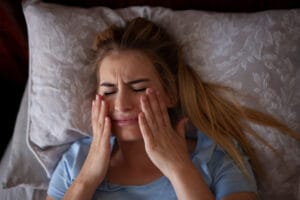
By identifying the aggravating risk factors for TMD, dental practitioners can better help their afflicted patients with managing the condition. Part of this includes learning more about sleep bruxism and being able to understand its correlation with TMD – a contentious link that can often provide contradictory results.
Correlation – but is there causation?
TMD easily progresses from acute to chronic pain; the temporomandibular joint (TMJ) is used throughout the day for talking and eating, whilst parafunctional habits like clenching also mobilise it. Similarly, bruxism is characterised as repetitive jaw-muscle activity, such as the bracing or thrusting of the mandible and grinding, and is self-reported among 12% of the population.i
Research on the association between sleep bruxism and TMD is divisive. One study, assessing an array of literature on the subject, determined that the methodologies used heavily influenced each study’s findings. Effectively, the studies based on a self-reported or questionnaire-based approach to bruxism found an association with TMD.[ii] This highlights the need for more specific categorisations of both conditions, helping to avoid the conflation of the two.
For sleep bruxism, the Internal Classification of Sleep Disorders has an established criteria, noting the presence of regular or frequent tooth grinding during sleep, morning jaw-muscle pain or fatigue, jaw locking upon awakening, and/or temporal headaches.[iii] Almost 40% of patients with TMD pain are told by their dentist that they have sleep bruxism, highlighting the overlapping association between the two conditions.iii These patients are expected to exhibit more severe clinical manifestations and report a higher pain intensity.
Going round in circles
One of the challenges with defining the association between sleep bruxism and TMD is how the two are often locked in a vicious cycle, raising the question as to which came first. Peak incidence of sleep bruxism is among adults aged 20-40.i This is the age for raising a family, finding jobs, owning property and juggling busy social lives. It is unsurprising then that sleep bruxism is linked to elevated levels of stress, anxiety and depression; there’s a lot to manage as an adult. As 90% of TMD patients experience sleep problems (not exclusively sleep bruxism), this increases tiredness the following day, limiting productivity and impacting mood. This decline can further increase stress – the stress hormone cortisol is a significant predictor of sleep bruxism in TMD patients.i
Whilst those with higher levels of cortisol are likelier to grind their teeth, not every sleep bruxer will fall into the cycle of disrupted sleep, impacted mood and TMJ pain. Some studies posit that bruxism itself is a mechanism for stress relief, and is not an exacerbating aetiological factor of it.i
For dental professionals, identifying patients who have a higher risk of developing TMD or are showing signs of sleep bruxism (an unawareness they are grinding their teeth or a partner has reported hearing it) is vital to protect their teeth and TMJ. The leading predictors for both conditions are:
- Patient age (20-40)
- Sleep deterioration
- Psychological distress
- Elevated cortisol levelsi
With these in mind, dental professionals can guide patients towards suitable management strategies. Whilst the discourse around sleep bruxism demonstrates that it may not be a direct cause of TMD, the correlation between the two makes them excellent indicators for the other. If a patient has one, there is a strong chance they have the other due to the shared risk factors, especially around their mental state.
Reduce pain for better sleep
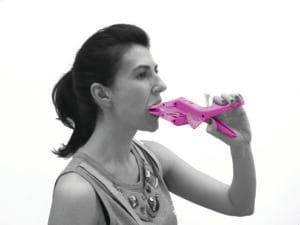
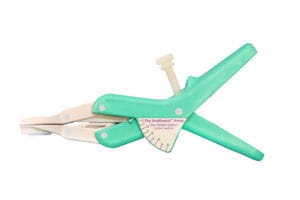
To help patients alleviate the symptoms of TMD and restore strength and function to the jaw, recommend the OraStretch® Press Rehab System from Total TMJ. A reliable device for at-home rehabilitation, it stretches the orofacial tissues to promote mobility. Diligent use of the OraStretch® Press, as directed by a clinician, can lead to an improved quality of life, one where jaw pain is no longer a major disruptor to everyday activities – especially sleep.
Whilst easy to look at the overlapping risk factors between TMD and sleep bruxism, the actual cause and effect between the two continues to be controversial. Dental practitioners can help by assessing at-risk patients and highlighting the best ways to limit sleep bruxism and manage TMD for a better night’s sleep and an improved quality of life.

For more details about Total TMJ and the products available, please email info@totaltmj.co.uk
 Author: Karen Harnott Total TMJ Operations Director
[i] Lee, Y.-H., Chon, S., Q-Schick Auh, Verhoeff, M.C. and Lobbezoo, F. (2025). Clinical, psychological, and hematological factors predicting sleep bruxism in patients with temporomandibular disorders. Scientific Reports, [online] 15(1). doi:https://doi.org/10.1038/s41598-025-03339-3.
[ii] Manfredini, D. and Lobbezoo, F. (2021). Sleep bruxism and temporomandibular disorders: A scoping review of the literature. Journal of Dentistry, 111, p.103711. doi:https://doi.org/10.1016/j.jdent.2021.103711.
[iii] Ohlmann, B., Waldecker, M., Leckel, M., Bömicke, W., Behnisch, R., Rammelsberg, P. and Schmitter, M. (2020). Correlations between Sleep Bruxism and Temporomandibular Disorders. Journal of Clinical Medicine, 9(2), p.611. doi:https://doi.org/10.3390/jcm9020611.