


Although market growth has slowed in recent years, it has been predicted that demand for dental implants will increase by a 9.9% CAGR (compound annual growth rate) by 2030.[i] This is at least partially driven by an aging population and the increased risk of tooth loss with age – which is reflected in reports showing that only half of over-75s have 21 or more natural teeth.[ii]
With demand for restorative solutions expected to increase in the years to come, there is massive potential within the dental implantology field for professionals to develop into. To deliver the highest standard of implant care while maximising on the benefits afforded to the clinician and the practice, it is important to take a strategic approach to growth in this area of the business.
Define your value proposition
Whether operating as a sole dentist or as a practice, it is crucial to define exactly what you are offering, to who and how. You need to establish what makes you stand out from the crowd, what you can provide that others can’t. This will not only help you clarify your services for your team, but it will also inform how you communicate with patients.
Your marketing plan should reflect all the unique selling points that you offer, encouraging patients to enquire about treatment in your practice over another provider. Promotional material should offer an insight into how you ensure high-quality results and a comfortable patient experience, as well as communicating your core values and ethos. It should also take into account who your core audience is and be designed to target those patients who are most likely to benefit from implantology – for example, those in the older age groups with greater disposal income. From website content to social media channels, direct marketing and partnerships with other local businesses, it is crucial to maintain consistent messaging that really shows your implant services in the very best light.
Elevate internal protocols
Before you even have patients coming in the door, it is vital that you have the right infrastructure within the practice to facilitate seamless implant treatment. For businesses with a treatment coordinator, for example, this will require the implementation of clear and concise protocols for new patient enquiries. There also needs to be a process in place for patients to receive the necessary dental hygiene care pre- and post-implant surgery, further utilising the services available in-house.
For a treatment modality like implants, which requires significant investment from the patient in terms of time, money and commitment to oral health, every part of their journey will be scrutinised. Research has found patient satisfaction with dental treatment to rely on a number of aspects other than quality of dentistry, including staff behaviour, facilities, waiting time, perceived value and cleanliness.[iii] All these factors should be accounted for to elevate the patient journey.
Ensure team confidence
Of course, the delivery of all this depends on a team with the necessary skills and capabilities to maintain high standards across the board. With regards to the clinical treatment, only evidence-based techniques should be employed by the surgical and restorative teams, who must have sufficient knowledge to treat the range of clinical needs you expect to encounter.
All team members should also be confident in performing their role within each patient’s implant pathway. Whether they are responsible for greeting the patient, providing initial information, taking a medical history, performing implant placement or offering maintenance support for the years afterward, each professional is key to success.
Consequently, all professionals require up-to-date and continuous training and education in the field. This should be provided to all new team members and encouraged for clinical team members routinely in order to ensure they remain abreast of the latest concepts and treatment concepts in the discipline for predictable patient outcomes.
Build a strong network
The team will also need access to a broad range of high-quality products and equipment, including advanced imaging systems and the software to integrate it all. If you are fairly early on in your implant business journey, and don’t have a CBCT in-house, this might require building relationships with referral practices who can perform the imaging for diagnostics and treatment planning.
If you’re in the market for an imaging system, or any other dental implant-related products, you’ll need to work with a supplier you can trust. This means finding a company that offers solutions backed by science, with a solid reputation for excellent customer service too. Where possible, it is also hugely beneficial to work with an organisation that can cater to a broad range of your needs, reducing the number of suppliers you have to liaise with.
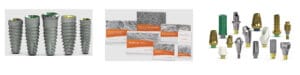
For example, BioHorizons Camlog provides a comprehensive portfolio of clinically-evidenced dental implant systems and complementary biomaterials. Not only are the solutions designed to optimise predictability, stability and longevity of clinical results, but they also help to streamline the workflow for an excellent patient and professional experience. In addition, all solutions come with exceptional support from highly dedicated customer service and Territory Manager teams who are always on hand to provide information and guidance.
Sustainable success
To accelerate your business growth in dental implantology, it’s important to define your value proposition, market effectively, define your protocols, train your team and build a trusted network to support your practice.

For more information on how BioHorizons Camlog can support your business growth goals reach out to our dedicated teams at https://theimplanthub.com/the-team/
 Author : Naomi Pleasants Marketing Manager BioHorizons Camlog UK & Ireland

[i] Grand View Research. UK dental implants market size & trends. Market analysis report. https://www.grandviewresearch.com/industry-analysis/uk-dental-implants-market-report [Accessed June 2025]
[ii] Office for Health Improvement & Disparities. Adult oral health survey 2021: self-reported health of teeth and gums. January 2024. https://www.gov.uk/government/statistics/adult-oral-health-survey-2021/adult-oral-health-survey-2021-self-reported-health-of-teeth-and-gums [Accessed June 2025]
[iii] Aldossary MS, Ismail EH, Almutawaa MM, Alhajri SM, Almuaddi AM, El Dalatony MM. Exploring Predictors of Patient Satisfaction in Dental Services: A Secondary Analysis Study. Patient Prefer Adherence. 2023 Dec 12;17:3259-3263. doi: 10.2147/PPA.S433352. PMID: 38106366; PMCID: PMC10725688.