Dr Amanda Bassey-Duke shares an orthodontic case and the challenge of overcoming poor oral hygiene.
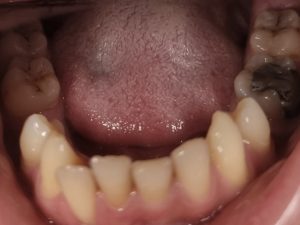
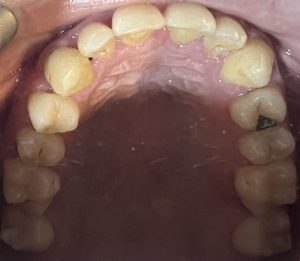
A 21-year-old male patient presented to the practice because he was unhappy with his smile. He had attended the practice regularly since childhood, returning every six months for routine examinations. As a beauty student, his appearance was important to him, and he wanted to improve the alignment of his teeth and feel more confident when smiling.
Although orthodontic treatment was routinely offered at the practice, braces had not previously been discussed with this patient. There was no urgent clinical indication for treatment, and the extent of his dissatisfaction with his smile had not been fully appreciated. However, once he raised his concerns, it became clear that the appearance of his teeth was affecting his confidence.
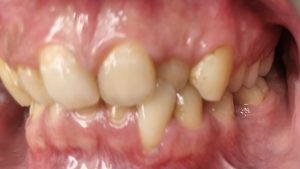
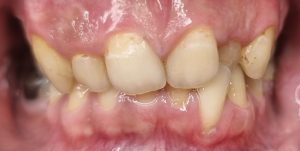
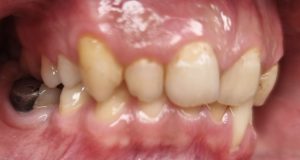
Decision-making
We discussed the available treatment options, including clear aligners and fixed appliances, as well as what each approach would involve and the likely treatment timescale. The Dentsply Sirona SureSmile Simulator was used to demonstrate a potential treatment outcome and help the patient visualise how his smile could change.
The patient declined clear aligners because he felt he would struggle to wear them consistently and manage their care. He preferred fixed braces and felt confident incorporating them into his appearance. Given his concerns about compliance with removable appliances, fixed braces were considered the more suitable option.
However, his oral health presented a significant challenge. He was at high risk of caries, and his routine appointments had frequently identified a need for restorative treatment. Although he had recently achieved 12 months without developing further decay, his oral hygiene still required improvement before orthodontic treatment could begin.
The patient acknowledged that being unhappy with his smile had reduced his motivation to care for his teeth. Addressing this mindset and helping him take greater ownership of his oral health was therefore an essential part of the treatment process.
He was advised that fixed orthodontic treatment could not proceed unless his oral hygiene improved, as inadequate plaque control would substantially increase the risk of caries, gingival inflammation and permanent enamel damage.
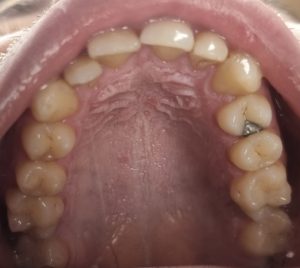
Treatment time
Treatment began in October 2024, four months after the initial consultation. This delay allowed time for the patient’s oral health to improve and remain stable. During this period, his compliance with oral hygiene advice improved sufficiently for fixed orthodontic treatment to proceed.
Following placement of the braces, progress was assessed using the Dental Monitoring app. However, the patient did not upload scans consistently, which limited remote monitoring and communication between appointments.
Several challenges arose during treatment. The patient had a deep overbite of approximately 80% in the lower-right canine region and repeatedly fractured or wore down the glass-ionomer bite blocks due to nocturnal bruxism. This resulted in repeated bracket breakages and several additional appointments for repairs.
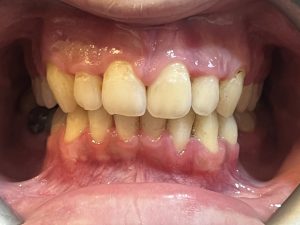
Although his oral health was stable when treatment began, it deteriorated during a stressful period in his studies. He resumed smoking and vaping, having previously stopped, and his oral hygiene declined. His gingivae became increasingly inflamed, with several months of orthodontic treatment still remaining.
The risks of continuing fixed orthodontic treatment in the presence of persistent gingival inflammation and inadequate plaque control were discussed clearly with the patient. He was advised that treatment could not safely continue unless his oral hygiene improved and the contributing risk factors were addressed. Continuing treatment would have placed his long-term periodontal and overall dental health at unacceptable risk.
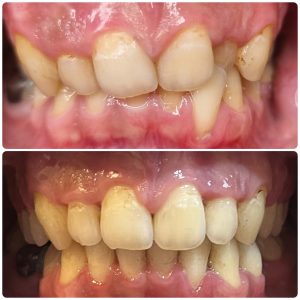
The decision was therefore made to remove the braces in June 2025, approximately four months earlier than originally planned.
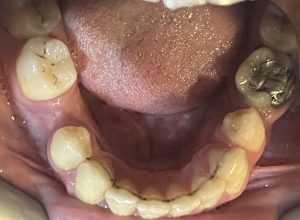
Despite the premature end to treatment, the patient was extremely pleased with the improvement achieved. After approximately nine months of treatment, his teeth were noticeably better aligned, and he reported that the change in his smile had positively affected his confidence and mental wellbeing.
He has since returned to the practice for routine examinations. His oral hygiene has improved significantly and remains stable, and he has not required any further restorative treatment since completing orthodontic treatment. Although the intended orthodontic result was not fully achieved, the process appears to have created a lasting improvement in his attitude towards his oral health.
Success in failure
Overall, this was a challenging case, and I was disappointed that the intended orthodontic outcome could not be fully achieved because the braces had to be removed earlier than planned. Maintaining adequate oral hygiene remained a significant challenge, and encouraging the patient to take greater ownership of his daily oral care required continual support.
In retrospect, earlier and more frequent education about the effects of smoking, vaping and inadequate plaque control on gingival and periodontal health may have strengthened his motivation. However, his orthodontic treatment coincided with a particularly stressful period in both his academic and personal life, which understandably affected his ability to maintain these behavioural changes.
Despite the incomplete treatment, the patient was very pleased with the improvement in his smile. He also embraced the braces as part of his identity: he frequently changed his hair colour, and at each appointment we matched the elastics to his latest look.
Although the planned orthodontic endpoint was not reached, the treatment still produced a meaningful outcome. His smile improved, his confidence increased and, most importantly, he developed a more positive and proactive attitude towards his long-term oral health.

To find out more about the career opportunities with Clyde Munro visit https://careers.clydemunrodental.com/dental-care-roles/
 Bio: Dr Amanda Bassey-Duke is an Associate Dentist at Dental Care Perth, part of the Clyde Munro Dental Group. She has a particular interest in orthodontics, aesthetic, restorative and digital dentistry. Alongside her clinical work, she is a passionate dental educator and mentor, supporting other clinicians in developing their skills and confidence.