Luke Moore, co-founder of Dental Elite, breaks down the headlines for practice owners and the impact across the entire dental team stemming from the Autumn Budget
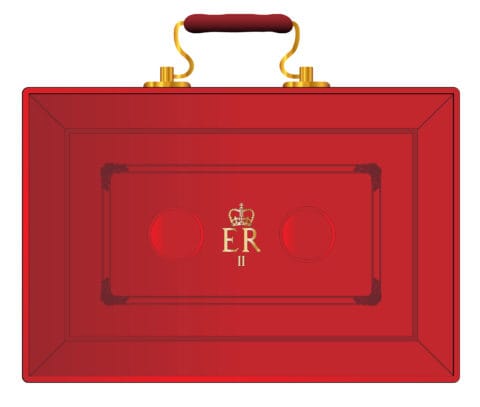 Chancellor John Healey has set out the Treasury’s tax and spending plans in the Autumn Budget. As the first budget event since Andy Burnham became Prime Minister, there was much anticipation about promises to provide “breathing space for today” and “fresh hope for the future”. With headlines noting support with energy bills and mileage, what does it mean for dental professionals and practice owners across the country? Luke Moore provides his analysis.
The headlines for dental practice owners
For selling practice owners, the most impactful aspect of the Chancellor’s Budget was that Business Asset Disposal Relief (BADR) has been cut from £1m to £500,000. This essentially means that rather than paying 24% tax, you pay 18% tax on the gain that falls in excess of £500,000. In reality, if a practice has a gain of £1m they’ll now be paying £30,000 more in tax from the beginning of the next financial year. Further to this, if a practice is run by two people – a husband and wife team, for example – this would rise to £60,000 more than before the Budget proposals come into effect if the gain was in excess of £2m.
Within the Budget, there was also talk of a Founders’ Relief – a new allowance for entrepreneurs, with a 10% rate on lifetime gains up to £10m for founders – which some may have expected to offer dental practices some benefits. However, the technical paper reveals that in order to be eligible for Founders’ Relief there are a few tests. The biggest of these will require businesses to have a minimum revenue of £10m, from which there must be a growth year-on-year of 25% compounded for three years. As such, their business must have grown from at least £10m to £19.5m in order to be eligible for Founders’ Relief.
In terms of dental practices who could potentially benefit, some dental groups may find they are eligible. However, as this is still subject to consultation, there may be further barriers on the horizon – such as the potential to exclude acquired revenue, for example. This may mean that the Founders’ Relief would not apply to any dental groups at all and, as it stands, the average dental practice owner will not qualify.
Within the Budget, it was announced that the national living wage and minimum wage will increase by 3.9% to £13.21 and £11.27 per hour, respectively. The rise in minimum wage is actually far lower than the figure outlined in the government’s manifesto, however it remains an expensive wage for businesses hiring recent school-leavers with no work experience. Whilst this pay rise will affect some members of the dental team directly, its ripple effect may be felt further throughout practices, with dental professionals who are earning just above living wage requesting increases in line with this – putting pressure on business owners.
Impacts felt across the dental team
We are seeing a continuation of the Annual Investment Allowance for the financial year 2027 to 2028. This allows dental practices and associates to claim 100% tax relief on qualifying dental equipment up to £1m in the first year.
The Chancellor also announced changes to paternity pay for self-employed individuals, which may affect associate dentists, for example. Whilst we don’t know the exact details about this yet, statutory pay for an employee is £194.32 per week. Potentially, this means a self-employed dentist with a partner who is expecting a baby could be entitled to a combined £388 that they would not have been previously.
Another important factor that may have implications for dentists is the self-assessment process. Currently, tax via self-assessment is paid in January and July. From April 2029, the frequency of self-assessment payments will increase, meaning that people will pay smaller amounts more regularly. In practice, this means that dentists who usually take out tax loans to pay their tax in January will need to find that money more regularly throughout the year because the point at which they’ll be required to pay will have been brought forward. This is set to begin with quarterly payments, but has the potential to increase in frequency as time goes on – potentially leading to a system of monthly self-assessment tax payments.
In good news for some practice owners, there has been an extension to Business Rates Transitional Relief. So, those who have previously benefitted from this will continue to do so.
The bigger news with regards to business rates, however, is that from 2028, 20% of business rates received will go to the local mayor, and from 2030, 100% will go to the local mayor. This money, which would usually be collected by London, will instead be held locally, offering an avenue for increased investment in local towns, outside of the capital.

For more information on Dental Elite visit www.dentalelite.co.uk, email info@dentalelite.co.uk or call 01788 545 90
About the Author