I see a particular kind of referral more often than you might expect: a patient midway through, or recently finished with, orthodontic treatment, presenting with an issue or a finding that has nothing to do with their orthodontist, but everything to do with orthodontic treatment.
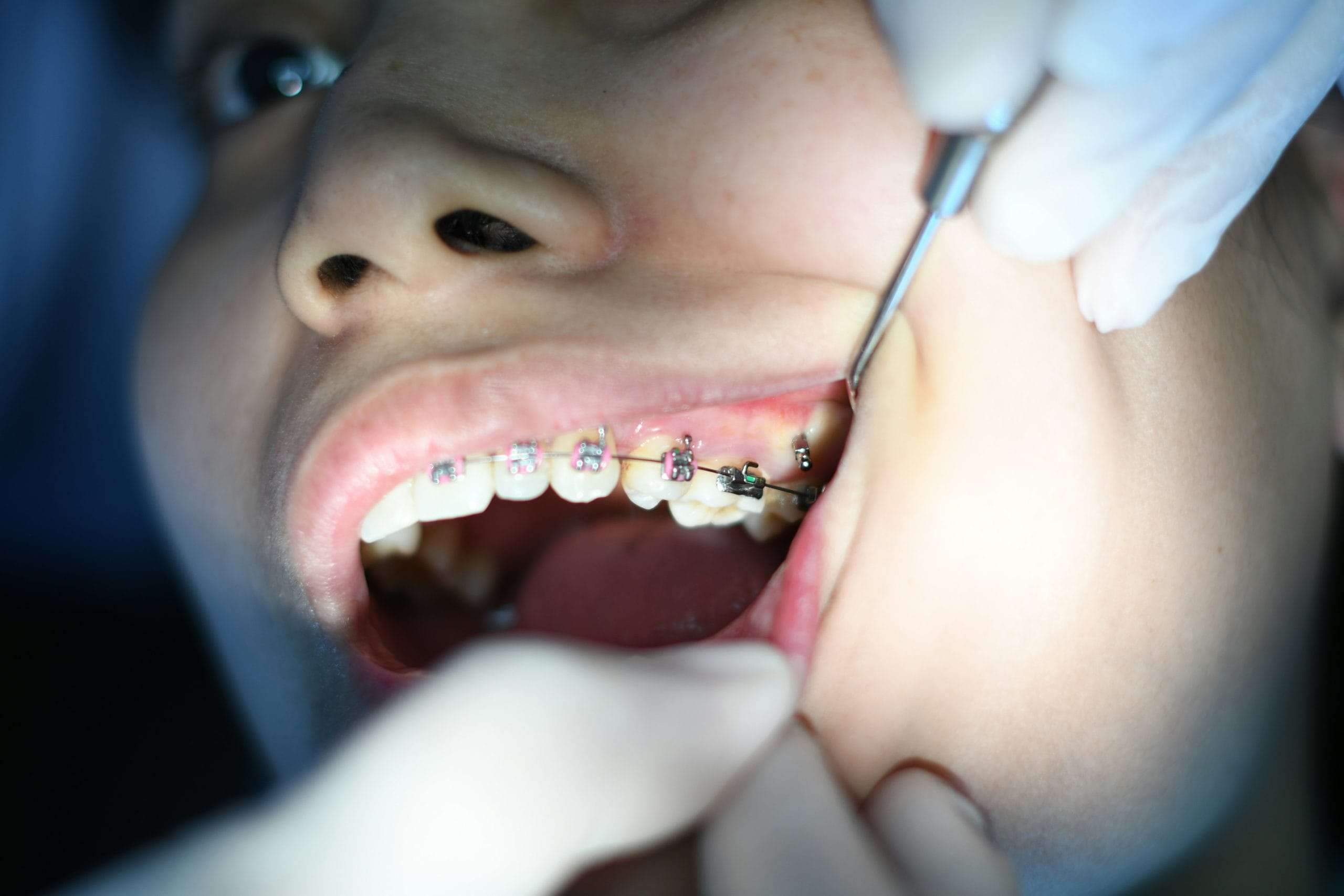
Orthodontic treatment moves teeth through bone using sustained force – and sustained force, applied to a living tooth, can have dramatic consequences. Most of the time, these consequences are benign and self-limiting, but, occasionally, they are not.[i] Knowing the difference here is an area wherein orthodontists and general dental practitioners can truly change the course of their patient’s treatment for the better.
Root resorption: the most common ortho-endo crossover
External apical root resorption is, to some degree, an almost inevitable accompaniment to orthodontic tooth movement. Most cases involve minor, insignificant shortening of the root apex that causes no functional problem and requires no intervention.[ii] But a minority of patients experience more substantial resorption – and the risk factors are known: pre-existing root resorption, certain root morphologies (particularly short or blunted roots), the magnitude and duration of force applied, intrusive movements, and individual patient susceptibility that we still do not fully understand.[iii]
The challenge is that significant resorption is often asymptomatic until it is advanced. Routine radiographic monitoring during orthodontic treatment – particularly for patients with known risk factors – is the best defence.[iv] When resorption is identified as progressing significantly, the orthodontic force regime usually needs to be reconsidered, and in cases where resorption has compromised long-term tooth prognosis, an endodontic opinion on the tooth’s restorability and longevity is genuinely useful before treatment continues.
Pulpal effects of orthodontic force
Orthodontic tooth movement places the pulp and its blood supply under mechanical stress, and the pulpal response varies from transient and fully reversible to, in rare cases, a process toward necrosis. Teeth that have previously been traumatised – even years earlier, even where the trauma was apparently minor – carry a higher risk of pulpal complications during orthodontic movement, because the pulp’s reparative and adaptive capacity has often already been compromised.
This is precisely why a thorough pre-orthodontic assessment matters. If a tooth has a history of trauma or radiographic signs of previous pulpal issue, it deserves specific attention before orthodontic forces are applied to it – and ideally, an endodontic assessment if there is genuine uncertainty about pulpal vitality or long-term prognosis. Identifying a vulnerable tooth before treatment begins is far preferable to managing pulp necrosis mid-treatment, when the orthodontics are already in motion and the options are fewer.
Pre-existing pathologies – unmasked or worsened
Orthodontic treatment sometimes begins without a definitive endodontic assessment of every tooth in the arch, and most of the time that is entirely appropriate. But pre-existing periapical pathology, even when asymptomatic, can occasionally become symptomatic under the additional stress of orthodontic force – teeth with apical inflammation can become symptomatic once movement begins.
What this means for the referral pathway
None of this should discourage orthodontic treatment, which remains overwhelmingly safe and predictable for the vast majority of patients. What it should encourage is a slightly lower threshold for endodontic referral at two key points: before treatment, for teeth with risk factors that warrant assessment, and during treatment, for any tooth that develops symptoms, sensitivity, or radiographic changes that fall outside the expected pattern of orthodontic tooth movement.
A quick referral for an opinion costs little and avoids the far more difficult scenario of managing a necrotic or significantly compromised tooth after orthodontic mechanics are already well underway. At EndoCare, we welcome these consultative referrals – whether the outcome is reassurance that nothing further is needed, or active management of a tooth that requires it.
The relationship between orthodontics and endodontics is closer than it sometimes appears from either side of the referral letter. Recognising where that relationship matters clinically – and acting on it early – protects the long-term outcome that both disciplines are ultimately working toward.
If you have a case where you are uncertain about root status or pulp prognosis ahead of or during orthodontic treatment, please don’t hesitate to get in touch. We’re always more than happy to discuss a case.

For further information about the endodontic referral services available from EndoCare, please call 020 7224 0999 or visit the NEW website www.endocare.co.uk
Author: Dr Michael Sultan, EndoCare

[i] AlMogbel AA, Alasmary S, Alfarraj S, Alenazi R, Albuti R. Orthodontics and Endodontics Clinical Practice Correlation: A Narrative Review. Cureus. 2024;16(3):e56821. Published 2024 Mar 24. doi:10.7759/cureus.56821
[ii] Topkara A, Karaman AI, Kau CH. Apical root resorption caused by orthodontic forces: A brief review and a long-term observation. Eur J Dent. 2012;6(4):445-453.
[iii] Shaban F, Ghadimi S, Alipour A, et al. Risk Factors Associated With Orthodontic Root Resorption and its Treatment Methods. J Pharm Bioallied Sci. 2025;17(Suppl 5):S3455-S3458. doi:10.4103/jpbs.jpbs_653_25
[iv] Heboyan A, Avetisyan A, Karobari MI, et al. Tooth root resorption: A review. Sci Prog. 2022;105(3):368504221109217. doi:10.1177/00368504221109217