


Dr Mukul Verma was recently awarded the Poster Prize from the British Endodontic Society (BES). He describes his career journey, and reason for applying for this Prize:
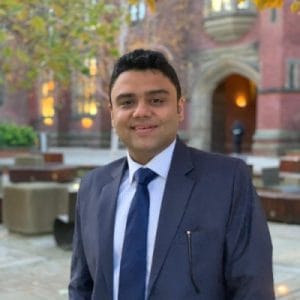 “I am an endodontist with a strong interest in revision cases, clinical research, and continuous professional development. Throughout my career, I have focused on improving patient care through evidence-based dentistry, precision treatment, and ongoing learning. I have always been passionate about combining clinical practice with research and education as I believe innovation and knowledge-sharing are essential for advancing our profession.
“After practising endodontics for seven years, I began a PhD at Newcastle University, where my research focused on dental pulp stem cells, with particular interest in their immunomodulatory properties. The past five years in research have been incredibly rewarding and have allowed me to develop new skills, broaden my perspective, and explore areas that purely clinical practice may not have exposed me to.
“I have thoroughly enjoyed the journey of combining academia with clinical expertise, and I am proud to have successfully completed my PhD.
“I applied for the Poster Prize because it was an excellent opportunity to present some of my research work to fellow dentists and endodontists. It also provided a platform to share ideas, receive feedback, and contribute to the wider endodontic community. I found the process to be very positive, well organised, and rewarding. It encouraged me to critically review my work, and present my ideas clearly and professionally.”
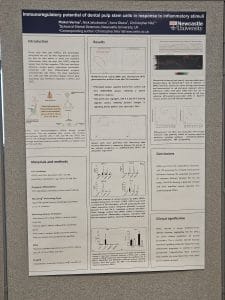
The BES Poster Prize encourages clinicians to showcase their own research projects. Dr Verma describes the topic he explored as part of this, and the impact that winning the award had on him:
“My poster focused on the immunomodulatory properties of dental pulp stem cells (DPSCs) and their potential role in regenerative endodontics. While DPSCs are well known for their role in dentine formation and pulp repair, my research explored how they also respond to inflammation and bacterial stimulation through Toll-like receptors, particularly TLR4. The findings showed that DPSCs play an active role in regulating immune responses, balancing inflammation while supporting tissue repair. This work provided valuable insight into how stem cells within the dental pulp may contribute to healing and could help inform future regenerative endodontic treatments.
“Winning the award was a very gratifying and meaningful moment. As a senior clinician and early stage researcher, it was particularly rewarding to see my PhD work recognised by such a respected organisation within the specialty. It was encouraging to know that the research resonated with colleagues and highlighted the value of continued scientific contribution alongside clinical practice. The award also created valuable conversations with delegates and peers during the event, allowing me to discuss the research, exchange ideas, and connect with others who share similar academic and clinical interests. The prize itself was a great honour, but equally important was the professional recognition and engagement it generated.
“Professionally, winning the prize has been a valuable recognition of the work undertaken during my PhD and has reinforced my motivation to continue contributing to research, presenting at professional meetings, and advancing within the field of endodontics. It has also provided encouragement to continue building an academic pathway alongside clinical practice and to further develop my research interests within endodontics. The award has helped raise the profile of my work and created opportunities to connect with colleagues who share similar clinical and academic interests. Personally, it was a rewarding reminder that sustained commitment, curiosity, and hard work can lead to meaningful achievements.”
Dr Verma describes the benefits that entering for awards and prizes, such as this, has:
“I would strongly encourage others to apply. It is a fantastic opportunity to develop professionally, showcase your ideas, and gain recognition for your efforts. Even the application process itself is valuable because it encourages reflection, learning, and growth. One piece of advice I would offer for future applicants is to choose a topic you are genuinely interested in and passionate about. That enthusiasm will come through in your work. Also, focus on clarity, strong evidence, and presenting your message in a simple and engaging way.
“I would like to thank the organisers and judges for creating opportunities like this for clinicians and researchers. Awards such as these help encourage excellence, innovation, and professional development within dentistry, and I am very grateful to have been part of the experience.”

For more information about the BES, or to join, please visit the website www.britishendodonticsociety.org.uk or call 07762945847