

The primary measures of treatment effectiveness are broadly defined as measurable changes in health or quality of life that result from care.[i] Essentially, the ultimate measure of success in dental care is refined particularly to clinical outcomes.
However, advancements in the field mean that more attention can be paid to the wider experience of treatment, such as the extent of comfort felt by patients throughout procedures. Of course, clinical outcomes will continue to remain the principal priority, but the overall experience is now being treated as a vital contribution of what is deemed successful care.

Balancing comfort with clinical result
For clinicians, this requires a balance between achieving excellent and predictable results, whilst ensuring that patients are reassured throughout and leave with comprehensive satisfaction of their care. Approximately 25% of the population experience dental anxiety before, during, or after treatment, so supporting them by means of comfort and ease throughout, goes a long way.[ii]
Dental practices can be a particularly daunting environment, which – combined with the extended period of the unknown occurring in their mouths, where they are unable to see – can exacerbate the anxiety and discomfort felt. Dental professionals should establish a calm, soothing atmosphere and represent efficiency and clarity in procedures. Other minor adjustments to clinical protocols can also make a significant difference to how patients perceive and tolerate dental care.
Challenges that affect patient comfort during treatment
As the oral cavity is a dynamic environment, it can be difficult to navigate whilst maintaining comfortability at the best of times, involving a plethora of practical challenges. General anxiety, combined with natural responses such as tongue movements, can make a stable and continuous working field difficult to attain, particularly in longer procedures.
Extended procedures are also accompanied by discomfort for patients due to the prolonged laying stiff and straight. The slightest adjustment or minor involuntary movements from the shoulders up to the tongue, cheeks, or jaw can be greatly impeding to the continuum of treatment. The slight interruption can have a more significant effect than expected, prolonging treatment times and making the procedure feel more demanding and less smooth due to pauses and resets, for both the patient and clinician.
The management of saliva is another factor that can have a great influence on patient ease. When patients feel as though they are responsible for managing the excess saliva build-up by swallowing, it is uncomfortable. Furthermore, this could also enhance their awareness of the treatment events taking place, which can further increase feelings of stress. Additionally, should they need to, patients might not know when or how to communicate with their clinician once the procedure is underway; if they are in pain or discomfort, and they haven’t been supported in how best to navigate communicating, it can add to the uneasiness felt.
Improving patient comfort often involves controlling the treatment environment. Stability and organisation offer greater predictability and efficiency, as reducing unnecessary interruptions ensures a better continuum of relaxation for patients.
The role of dental dam isolation
One excellent method of improving the stability of the operating field is through dental dam isolation. Long recognised for its ability to support greater control in procedures, dental dams are remarkable for separating the tooth being treated from the surrounding dentition, ensuring absolute seclusion. This method allows clinicians to focus on the treatment rather than the disruptive, secondary factors such as saliva production, the tongue, soft tissue, or more.
For patients, the use of a dental dam can enhance their treatment experience further as they are less likely to feel responsible for saliva management, nor the need to move their tongue throughout. Improving the sense of structure and ease, dental dams are a remarkable addition for both patients and dental professionals.
Dental dams also support in establishing a structured and isolated working field for better clinical results too. Clinicians can focus their energy into the job at-hand without having to consider where materials and instruments can be placed, improving the perspective of organisation and efficiency for patients too.
The best of dental dam isolation
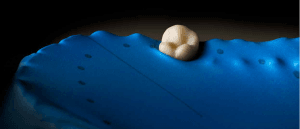
The HySolate SyntX Dam from COLTENE presents the most innovative dam design to date. Engineered using polyisoprene, the latex-free material supports those with allergies, without compromising on structure – the elasticity and tear resistance of the SyntX dam are simply exceptional.
Furthermore, the product supports confident and consistent retraction and excellent stability throughout treatment, promoting a controlled working environment. The material’s pre-printed template and predictable behaviour allows practitioners to focus on an uninterrupted procedure rather than managing frequent adjustments.
Supporting a better experience
The close interaction between clinical efficiency and patient comfort is something that can be used and improved to support a better patient experience. By establishing a comfortable environment, maintaining efficiency and structure, and working with stabilising tools like dental dams, the entire procedure and patient perspective can be improved.

For more information, visit https://products.coltene.com/EN/CH/products/treatment-auxiliaries/dental-dam/standard-non-latex-dental-dam/hysolate-syntx-dam email info.uk@coltene.com or call 0800 254 5115
Author: Vik Sharma Sales Director Coltene Group

[i] SH, G. (no date) Clinical Outcomes, NHS choices. Available at: https://www.gosh.nhs.uk/about-us/our-strategy/clinical-outcomes/#:~:text=Clinical%20outcomes%20are%20broadly%20agreed,such%20as%20safety%20and%20efficiency. (Accessed: 12 March 2026).
[ii] Hoffmann B, Erwood K, Ncomanzi S, Fischer V, O’Brien D, Lee A. Management strategies for adult patients with dental anxiety in the dental clinic: a systematic review. Aust Dent J. 2022 Mar;67 Suppl