


The modern dental practice requires constant investment to remain abreast of the latest equipment on the market. This is crucial not only for the delivery of exceptional clinical treatment and patient care, but it is also a foundation of job satisfaction among staff, which aids retention. For any principals, associates, managers or team members keen to introduce new technology, it is important to ensure the viability of the investment. This can be achieved by creating a business case for the equipment in question.
Step 1 – The why
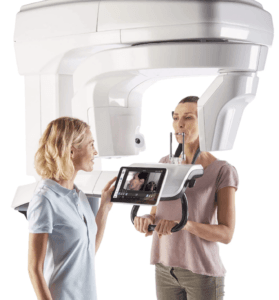
To put an effective proposal forward, it is crucial to first outline the need for change and the potential advantages afforded by the investment. Why is this a good idea and how would this new equipment benefit the practice, the team or the patients – or all of the above? The objectives of introducing the product should be clearly defined, including a way to measure success so that it can be monitored over time. For example, if you’re looking to integrate a new CBCT machine, your business case should outline the positive impacts on patient care, treatment times, practice efficiency and productivity, and potential revenue streams.
Step 2 – Financial analysis
To determine the feasibility of any investment within the practice, thorough financial analysis is crucial. For new equipment, this should include justified estimates for all expected outlays, from purchase price to ongoing maintenance plan costs. The approximate revenue generated should also be calculated, and this can be utilised to identify the break-even figure. This is an important financial metric that demonstrates – in our example of a new CBCT scan – exactly how many scans would need to be performed, or how long the equipment would need to be in situ before it made back the money it cost. A calculation like this will help demonstrate when the equipment will start generating a profit, which is a powerful tool when assessing the viability of the investment.
Step 3 – Risk assessment
Both in terms of finances and in relation to other aspects, it’s necessary to address all the potential risks or challenges of introducing the new equipment you are suggesting. The objective is not to highlight reasons to prevent moving forward, but to ensure you are prepared for every eventuality, increasing the chance of success.
Sticking to our example, some of the elements to review include possible difficulties in building an imaging referral network, the costs of marketing the new service, the risk of slow uptake, and the cost of unexpected equipment malfunctions or breakdowns. Each scenario should be ranked according to likelihood and impact on the business to show if and how concerning each possibility would be. Some market research and communication with other practices may be useful in establishing these factors and their frequency.
Step 4 – Create an action plan
With all this information, you’ll be equipped to develop a practical implementation plan that provides logical, step-by-step guidance for the introduction of your proposed new equipment. This plan should provide a timeframe for each step, as well as allocate responsibility for different actions to specific individuals to ensure accountability and progress. This plan will also need to address all the potential risks and challenges with detailed plans on how to prevent issues and how to manage them if they do occur.
Not all choices are equal
Of course, as part of this business case, you will need to share market research on the solutions available, while also suggesting the most suitable for your practice with justification as to why. Returning to our aforementioned example, not all CBCT machines are made equal, and the exact model, brand and supplier you choose will each have a significant impact on your success.
For complete peace of mind, the expert team at Dental Directory can support such important business decisions with invaluable product insights and comparisons. They will help you explore the vast range of equipment on offer and select the most appropriate for you. You can also include within your comprehensive business case the wide-reaching support and technical maintenance services available from Dental Directory that will allow your team to fully utilise the equipment while protecting and maximising your investment.
Continuous investment is important for the ongoing development of any dental practice, but the right investment is crucial for real success. By assessing your options carefully, analysing the potential benefits and risks, and being prepared for the practical implementation of new solutions, you will help make the right decisions for your business.

For more information on the products and maintenance services available from Dental Directory, please visit ddgroup.com or call 0800 585 586
 Author: Dean Hallows Managing Director Dental Directory