


Diet can define health. Consuming a consistent yet varied number of healthy foods and drinks is essential for growth and reducing the risk of many diseases. However, patients with temporomandibular joint disorder (TMD) may experience pain during mastication, causing difficulties in maintaining a balanced diet by limiting the foods that can be easily eaten.

For patients with TMD, altered dietary habits can have two opposing yet notable effects. First, not being able to eat preferred foods can have a negative impact on the patient’s quality of life. However, eating certain foods can also be supportive of TMD, reducing the risk of developing associated chronic conditions and even easing the pain.[i] Because of this, it is useful for dental practitioners to understand and encourage the nutritional strategies that can most help patients with TMD.
Live, diet, repeat
As the temporomandibular joint (TMJ) is an essential component for mastication, it is inevitable that those experiencing jaw pain when eating will opt for softer foods. A study found that 77.6% of patients with TMD modified their diet; 71.8% cut their food into smaller pieces, 42.4% boiled their foods until soft, and 40% mashed more of their meals. The leading three modifications each led to a reduced enjoyment of eating.[ii]
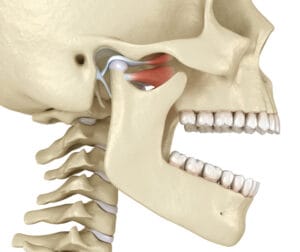
For patients who are reporting jaw pain, dental practitioners can recommend a range of dietary alternatives for a more comfortable eating experience. Hard cheeses, breads with seeds, fresh fruits with skins, sweets and fried meats are not advisable due to how much the jaw must move to consume them. Instead, smooth yoghurts, soft cheeses, soft breads without seeds, pancakes, pasta, gnocchi, rice, canned fruits, smoothies, cooked vegetables and cream-based soups are far more agreeable for the TMJ.[iii]
However, whilst advising a soft (or softer) diet is useful for the short-term alleviation of TMJ pain, it may contradict the long-term success if a poor nutritional state is exacerbated.[iv]
Accounting for the whole
One of the main challenges concerning the relationship between diet and TMD is the holistic impact. Whereas a change in diet may help alleviate symptoms, the same change has the possibility of effecting other parts of the body. Deficiencies in certain minerals, vitamins and more can increase the risk of disease or other health conditions elsewhere in the body. For instance, Vitamin D deficiency is implicated in the development of musculoskeletal disorders. This can complicate TMD recovery as interdisciplinary approaches that accommodate mind-body therapies (such as massages), rehabilitation exercises and diet can better manage chronic pain.[v]
There is a limited body of evidence on nutritional approaches to chronic pain experienced by patients with TMD. However, Western diets can lead to poor dietary choices due to the volume of processed foods and high levels of salt, sugar and unhealthy fats – this can lead to various health conditions associated with TMD. This includes rheumatoid arthritis (RA), a condition that can affect the TMJ. The prevalence of TMJ involvement among patients with RA is reported as 19-86%, emphasising the correlation.[vi]
Four diets stand-out for their efficacy in reducing chronic pain from RA, headaches, musculoskeletal pain and more TMD-associated conditions: Mediterranean, vegetarian, vegan, and high protein diets.[vii] All rich in antioxidants, they can reduce proinflammatory cytokines and manage TMJ inflammation. Whilst some patients may be unwilling to switch their diets so radically, encouraging the consumption of foods with omega-3 fatty acids is a more appealing alternative. Omega-3 fatty acids alleviate chronic pain and other symptoms and are most commonly found in fish and oils – consuming them should not require too much mastication either.[viii]
Empowered in rehabilitation
Nutritional strategies for TMD can have many long-term health benefits, providing consistent adherence and a balanced diet. An extra benefit is that it is a patient-centered approach that empowers them to take control; what a patient chooses to eat can be a vital part of TMD rehabilitation.
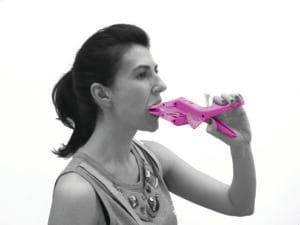 Along with dietary changes, patients can restore strength and function to the TMJ with the OraStretch® Press Rehab System from Total TMJ. A user-operated device, it is simple to use yet shows notable improvements within a week. By inserting the mouthpiece and squeezing the handles, patients mobilise the TMJ and stretch the orofacial tissues. Diligent exercises, as recommended by a healthcare professional, ultimately lead to a stronger jaw, improving mastication, speech and reducing pain for a better quality of life.
Changing diets can have a tremendous impact on our health. For patients with TMD, being unable to eat certain foods should not be the be all or end all – by modifying their food they can not only enjoy eating again, but can also reap the many health benefits and reduce the symptoms of TMD.

For more details about Total TMJ and the products available, please email info@totaltmj.co.uk
 Author: Karen Harnott – Total TMJ Operations Director
[i] Kajita Piriyaprasath, Yoshito Kakihara, Hasegawa, M., Iwamoto, Y., Hasegawa, Y., Fujii, N., Yamamura, K. and Okamoto, K. (2024). Nutritional Strategies for Chronic Craniofacial Pain and Temporomandibular Disorders: Current Clinical and Preclinical Insights. Nutrients, [online] 16(17), pp.2868–2868. doi:https://doi.org/10.3390/nu16172868.
[ii] Edwards, D.C., Bowes, C.C., Penlington, C. and Durham, J. (2021). Temporomandibular disorders and dietary changes: A cross‐sectional survey. Journal of Oral Rehabilitation, 48(8), pp.873–879. doi:https://doi.org/10.1111/joor.13210.
[iii] TMD Nutrition and You. (n.d.). Available at: http://tmj.org/wp-content/uploads/2020/08/TMJ_nutrition_Guide.pdf [Accessed 27 Oct. 2025].
[iv] Edwards, D.C., Bowes, C.C., Penlington, C. and Durham, J. (2021). Temporomandibular disorders and dietary changes: A cross‐sectional survey. Journal of Oral Rehabilitation, 48(8), pp.873–879. doi:https://doi.org/10.1111/joor.13210.
[v] Kajita Piriyaprasath, Yoshito Kakihara, Hasegawa, M., Iwamoto, Y., Hasegawa, Y., Fujii, N., Yamamura, K. and Okamoto, K. (2024). Nutritional Strategies for Chronic Craniofacial Pain and Temporomandibular Disorders: Current Clinical and Preclinical Insights. Nutrients, [online] 16(17), pp.2868–2868. doi:https://doi.org/10.3390/nu16172868.
[vi] Link to external site, this link will open in a new window (2021). Temporomandibular disorders in patients with early rheumatoid arthritis and at-risk individuals in the Dutch population: a cross-sectional study. ProQuest. [online] doi:https://doi.org/10.1136/rmdopen-2020-001485.
[vii] Kajita Piriyaprasath, Yoshito Kakihara, Hasegawa, M., Iwamoto, Y., Hasegawa, Y., Fujii, N., Yamamura, K. and Okamoto, K. (2024). Nutritional Strategies for Chronic Craniofacial Pain and Temporomandibular Disorders: Current Clinical and Preclinical Insights. Nutrients, [online] 16(17), pp.2868–2868. doi:https://doi.org/10.3390/nu16172868.
[viii] National Institutes of Health (2022). Office of Dietary Supplements – Omega-3 Fatty Acids. [online] Nih.gov. Available at: https://ods.od.nih.gov/factsheets/Omega3FattyAcids-Consumer/.