

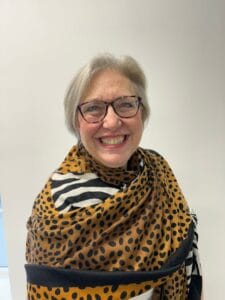
 Joss Harding is the President Elect of the Mouth Cancer Foundation and is passionate about supporting professional education on the subject of mouth cancer. As a practising clinician, she appreciates the challenges dentists face in practice and reflects on some of the presentations of the disease that are more difficult to identify:
“As dental hygienists, we often see lesions that look like trauma, aphthous ulcers, or frictional keratosis. It can be easy to dismiss something that appears minor, especially if the patient has no pain. The tricky cases to spot usually involve small, persistent changes that don’t heal within two weeks, especially on high-risk sites like the sides of the tongue, floor of the mouth, or soft palate. Being alert to even subtle changes and documenting them carefully is key – even discussing and reviewing with colleagues will make sure any concerns are escalated promptly.”
As Joss has alluded to already, communication among the professional team is crucial for a streamlined care pathway and efficient mouth cancer detection. But it is just as important to discuss any concerns with the patient too. This can be more challenging as the risks must be taken seriously, but professionals never wish to scare a patient unnecessarily. Joss offers some advice on how she approaches these situations so that that patients feel supported and informed:
“Communication with these patients needs to be gentle, clear, and supportive. If I notice something unusual, I explain to the patient that I’ve seen an area I’d like a colleague to take a closer look at – not to worry them, but to ensure we’re being thorough. Patients often become anxious when they hear the word ‘referral’, so I make sure they understand it’s a precautionary step and that early checks are always the best way to rule out anything serious. Follow-up is also important – just a quick call or allowing five minutes for a chat during their next visit can really help them feel cared for and reassured throughout the process.”
Joss goes on to discuss some real-life examples of the impact dental professionals can make on patients’ lives when detecting suspicious symptoms:
“Just earlier this year, a patient mentioned a small patch on the outside of their cheek, just under the rim of their glasses, which had appeared since their last visit. I asked the patient to return the following day to see a colleague, as they were off on holiday soon. The patient was referred to OMFS, seen promptly, and underwent surgery. They have since returned for a routine dental hygiene appointment and the area has healed very well.
“Another long-standing patient, whom I have seen regularly for over 18 years, mentioned that a previously referred lump in their neck had grown larger and was now noticeable on the opposite side as well. I referred the patient that same afternoon. They were also seen quickly and, following a scan, were diagnosed with mast-cell lymphoma. Both the patient and their partner were extremely grateful for the swift referral and timely treatment received. This case, in particular, reinforced the importance of prompt referrals – not only for potential head and neck cancers, but also for other serious and life-changing diagnoses.”
Joss will be taking this crucial subject to BDIA Dental Showcase 2026 in London, where she’ll be speaking in the Oral Health Theatre on Saturday 14th March.
“My session will focus on the team’s role in early detection and prevention,” Joss continues. “This will include how to integrate routine soft tissue screening into every appointment, how to talk confidently with patients about risk factors, and how to recognise subtle red flags. I’ll also discuss teamwork within the dental practice, the use of technology to support record keeping and monitoring, and the importance of website information.
“I hope delegates leave feeling empowered to see themselves as a vital part of the mouth cancer detection pathway. We might not be the ones making the diagnosis, but our daily contact with patients puts us in a powerful position to notice early signs, educate, and refer. Confidence and consistency in screening can truly make a difference to patient outcomes. Every dental professional – whether dentist, dental hygienist, or dental therapist – plays a key part in the fight against mouth cancer. Taking a few extra moments to check, document, and communicate can genuinely save lives. Raising awareness, both in the chair and in the community, is something we can all contribute to.
“BDIA Dental Showcase is such a positive and inspiring event that it’s the ideal place to get up-to-date with the latest concepts in mouth cancer. It is also about discovering new products, meeting colleagues, sharing experiences, and learning from each other. I always come away with new ideas I can bring back to practice. I’d encourage all team members to attend in 2026 – it’s a fantastic opportunity to grow professionally and be part of the wider dental community.”
No matter the role you fulfil in the practice, your clinical experience, or your career ambitions, BDIA Dental Showcase us a must-attend for 2026!
BDIA Dental Showcase
13th-14th March 2026
ExCel London
Register now at www.dentalshowcase.com