


Teeth presenting with irreversible pulpitis represent one of the most common endodontic emergency scenarios in modern dentistry. Research shows anaesthetic failure rates in these “hot teeth” range between 43% and 83%.[i] This unpredictability not only complicates treatment but also compromises patient comfort and confidence. Understanding why anaesthesia fails and employing evidence-based strategies to overcome this obstacle is essential. This article outlines practical, immediately implementable protocols that general dental practitioners can rely on to achieve profound anaesthesia consistently in these demanding clinical scenarios.
Why anaesthesia fails in irreversible pulpitis
Anaesthetic failure in teeth with irreversible pulpitis is predominantly driven by biological changes resulting from inflammation. Within inflamed pulp tissue, increased acidity reduces local tissue pH, impairing anaesthetic diffusion through “ion trapping”. According to this hypothesis, the acidic environment increases the proportion of local anaesthetic molecules in their charged, ionised form, preventing their penetration through nerve cell membranes.[ii] Additionally, inflammatory mediators, particularly prostaglandins, sensitise nociceptive nerve fibres, lowering their activation thresholds resulting in peripheral sensitisation. This sensitisation is accompanied by the upregulation of anaesthetic-resistant sodium channels, significantly reducing the efficacy of common anaesthetic agents like lidocaine.[iii],ii Furthermore, ongoing pain signals may trigger central sensitisation, amplifying the patient’s perception of pain, which may be worsened by patient anxiety. Equally significant is the role of accessory innervation, which frequently contributes sensory innervation to mandibular molars and remains unaffected by standard inferior alveolar nerve blocks. The combination of these physiological and anatomical complexities provides a clear rationale for why anaesthetic failures occur so frequently in teeth with irreversible pulpitis.
Ibuprofen and inflammation: enhancing anaesthetic efficacy
Ensuring clear preoperative communication with emergency patients who can safely take ibuprofen is a critical first step in managing irreversible pulpitis. A preoperative dose of 600 mg ibuprofen taken 60 minutes before injection has demonstrated nearly double the success rate of inferior alveolar nerve blocks versus placebo.[iv] This beneficial effect results from non-steroidal anti-inflammatory drugs (NSAIDs) reduction of prostaglandin synthesis, which decreases nerve sensitisation and downregulates anaesthetic-resistant sodium channels.[v]
Optimising clinical technique
Injection-related discomfort can be effectively mitigated through pre-injection application of topical anaesthetics, in conjunction with the utilisation of the Gate Control Theory; achieved by tactile stimulation (e.g. rubbing or vibrating) of the mucosa surrounding the injection site during anaesthetic administration.[vi]
Evidence supports the use of increased anaesthetic volumes to enhance inferior alveolar nerve block (IANB) effectiveness; specifically, administering 3.6 mL of local anaesthetic has demonstrated a significantly higher success rate of IANBs compared with 1.8 mL administrations.i The presence of accessory innervation also significantly influences anaesthetic efficacy. In particular, the mylohyoid nerve frequently provides accessory sensory fibres to mandibular molars, contributing to incomplete anaesthesia following conventional nerve blocks. Addressing such accessory innervation through supplemental injections, including lingual infiltrations, may be essential.
Use of articaine infiltrations is recommended due to its enhanced lipid solubility, allowing greater diffusion through dense mandibular cortical bone compared to other amide anaesthetic agents such as lidocaine.[vii] Given that the lingual cortical plate in the posterior mandible is often thinner compared to the buccal plate, lingual infiltrations are also beneficial. Moreover, a supplementary technique of intrapapillary infiltrations which aims to deliver anaesthetic toward the trabecular bone crest between buccal and lingual cortical plates, can facilitate additional diffusion of anaesthetic solution.
Prior to the initiation of operative procedures, objective confirmation of pulpal anaesthesia using refrigerant spray such as Endo-Frost (Roeko, Coltene, Switzerland) is recommended. Despite rigorous anaesthetic measures, residual pulp sensitivity may occasionally persist, notably upon entering the pulp chamber. Under these circumstances, an intra-pulpal injection may be required. This technique necessitates applying sufficient pressure to allow intra-pulpal delivery of anaesthetic solution whilst preventing backflow. While transiently painful, this method, if executed appropriately, rapidly yields profound and complete anaesthesia.
Reliable resources
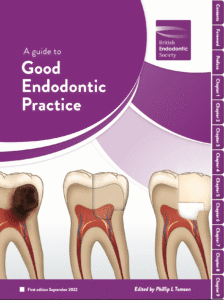
General dental practitioners seeking further resources and guidance on managing endodontic emergencies and general endodontic care are encouraged to explore the British Endodontic Society’s (BES) Guide to Good Endodontic Practice. The BES website additionally provides practitioners with extensive educational content, detailed lecture series, comprehensive study guides, and regular in-person events, all designed to advance professional development and clinical expertise in endodontics.
Improved awareness of endodontic complications amongst general dental practitioners, and the various potential management techniques will ultimately result in improved outcomes for patients. It is important to seek information relating to anaesthetic failure and other complications from reliable sources to ensure compliance with best practice.

For more information about the BES, or to join, please visit the website www.britishendodonticsociety.org.uk or call 07762945847

Dr Dariusz Kasperek is an Academic Clinical Fellow and Specialty Registrar currently undertaking his Doctor of Dental Science degree in Endodontics at the University of Liverpool. He has extensive clinical and academic experience, with research published in the British Dental Journal, Journal of Endodontics, BDJ Open, and Primary Dental Journal. Dariusz has presented his work at multiple AAE and ESE conferences and currently serves as the postgraduate representative for the British Endodontic Society’s Early Careers Group.
[i] NAGENDRABABU, V., ABBOTT, P., PULIKKOTIL, S., VEETTIL, S. & DUMMER, P. 2021. Comparing the anaesthetic efficacy of 1.8 mL and 3.6 mL of anaesthetic solution for inferior alveolar nerve blocks for teeth with irreversible pulpitis: a systematic review and meta‐analysis with trial sequential analysis. International Endodontic Journal, 54, 331-342.
[ii] HARGREAVES, K. M. & KEISER, K. 2002. Local anesthetic failure in endodontics: mechanisms and management. Endodontic topics, 1, 26-39.
[iii] KARAPINAR-KAZANDAG, M., TANALP, J. & ERSEV, H. 2019. Effect of premedication on the success of inferior alveolar nerve block in patients with irreversible pulpitis: a systematic review of the literature. BioMed research international, 2019, 6587429.
[iv] NOGUERA‐GONZALEZ, D., CERDA‐CRISTERNA, B., CHAVARRIA‐BOLAñOS, D., FLORES‐REYES, H. & POZOS‐GUILLEN, A. 2013. Efficacy of preoperative ibuprofen on the success of inferior alveolar nerve block in patients with symptomatic irreversible pulpitis: a randomized clinical trial. International endodontic journal, 46, 1056-1062.
[v] POZZI, A. & GALLELLI, L. 2012. Pain management for dentists: the role of ibuprofen. Annali di stomatologia, 2, 3.
[vi] NANITSOS, E., VARTULI, R., FORTE, A., DENNISON, P. & PECK, C. 2009. The effect of vibration on pain during local anaesthesia injections. Australian dental journal, 54, 94-100.
[vii] AGGARWAL, V., JAIN, A. & KABI, D. 2009. Anesthetic efficacy of supplemental buccal and lingual infiltrations of articaine and lidocaine after an inferior alveolar nerve block in patients with irreversible pulpitis. Journal of Endodontics, 35, 925-929.